Fullerton
Contemporary businesses are more oriented to minimizing the environmental impact and ensuring high computing efficiency. This movement is highly affecting sustainable data centres Malaysia as organizations seek methods of balancing demand on performance, with low-carbon infrastructure objectives. A mixture of sophisticated engineering, energy optimization plans, and smart operational systems, which enable long-term scalability and environmental responsibility, is needed to build effective data centre systems. With the digitization of services in industries rapidly increasing, the strain on infrastructure to provide improved performance at reduced costs is only getting heavier. This has seen sustainability emerge as a fundamental design consideration and not an additional augmentation to present-day data centre design.
Energy-Efficient Infrastructure Design
The first step to a low-carbon data centre is well-thought-out infrastructure that reduces energy waste and maximizes output efficiency. A system designed in a sustainable manner guarantees that nothing is done at the expense of overconsumption of resources. Facility planning is a significant aspect of maintaining airflow efficiency, minimizing heat accumulation and stable hardware performance in all systems. Even more efficient distribution of power minimizes transmission losses and helps to make sure that power is used in the most optimal manner possible. The use of advanced cooling systems, including liquid cooling and free-air cooling, would contribute to the decrease in the reliance on traditional energy-intensive cooling systems and would help to minimize carbon emissions.
Intelligent Resource Optimization Systems
The role of the efficient management of resources is crucial in the minimization of carbon production and the high level of performance of data centre operations. Smart technologies will make it possible to better control and use computing resources so that only the necessary energy is consumed. By consolidating workloads, virtualization decreases the use of physical servers, resulting in a reduction of energy consumption and an increase in operational efficiency. The AI-driven monitoring systems never cease to analyze the trends in energy consumption, identifying the inefficiencies and providing optimization measures. Predictive maintenance systems can be used in the reduction of unplanned downtimes, which is achieved by identifying possible hardware problems earlier, ensuring a flow of smooth operations and longer-lasting equipment life. The dynamic assignment of workload supplements the efficiency further, as it allocates resources according to the current demand, preventing the unnecessary use of energy at times when the demand is low.
Sustainable Operational Frameworks
This is necessary in its operational strategies in terms of maintaining long-term efficiency in addition to minimising environmental impact across data centre ecosystems, especially as sustainable data centres Malaysia become a key focus for enterprises aiming to balance performance with environmental responsibility. Automation is used in the reduction of manual intervention, proper monitoring of the systems and enhanced consistency of operations. Cloud-based scalability enables businesses to scale computing resources based on demand and ensure that computing resources are not underutilized and that energy is not wasted. Smart data storage systems maximize the importance of storing and retrieving data to ensure that popular data are given priority to be accessed faster than the less-used data, which will be minimized to avoid the unnecessary storage burden. Real-time analytics will give operators on-the-fly data on system performance and identify areas where the system is not performing optimally, and improve overall energy management policies across the infrastructure.
Governance structures that establish the mechanisms through which the manner in which resources are distributed and tracked are also critical to operational sustainability. Energy usage policies, prioritization of workload and the provisioning of systems can be used to ensure constant alignment towards sustainability objectives. Companies are moving towards the use of carbon tracking software, which quantifies the amount of energy consumed at a micro level, which they can use to make data-driven decisions to optimize their operations. These are also used to help in adhering to international environmental standards, which are turning out to be more crucial to international businesses.
Enhancing Industry Collaboration and Innovation
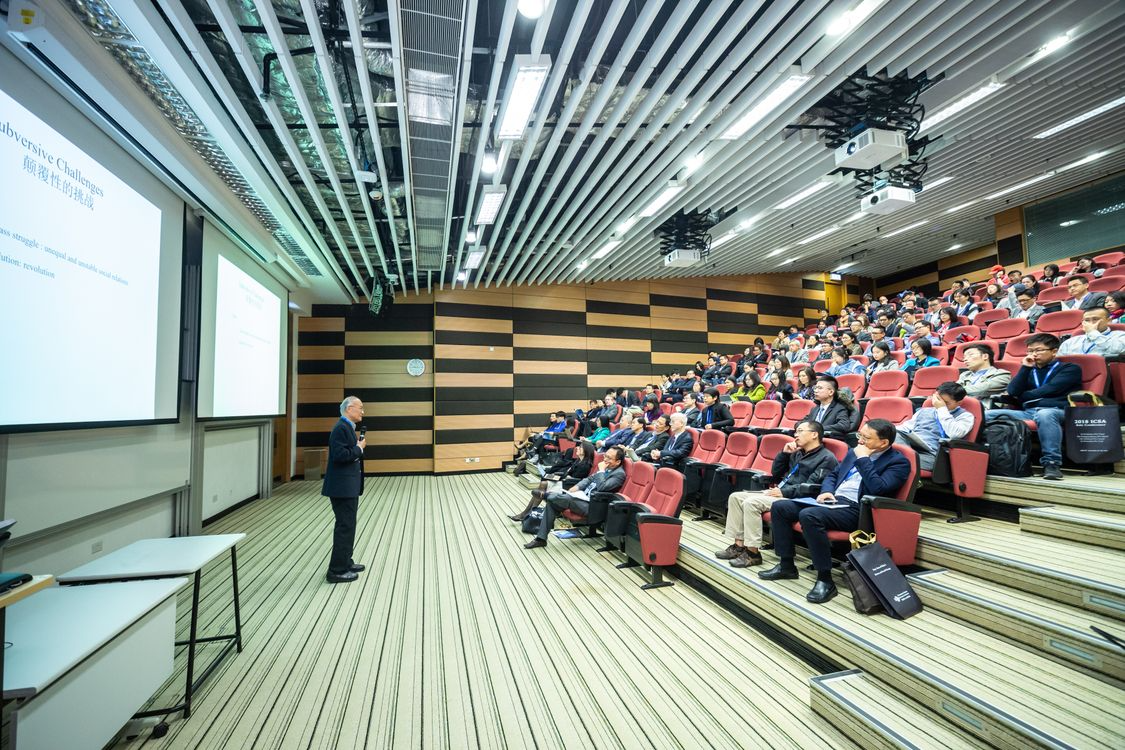
Ecosystem co-operation in technology is crucial to speeding up the sustainable development of data centres. Platoons knowledge-sharing platforms can allow industry experts to share best practices and discuss any innovative solutions that can enhance energy efficiency and system performance. Green IT practices are standardized so that the organizations can be aligned with the sustainability practices of the whole world without affecting the operational excellence of an organization. Ongoing ways of energy saving through energy-efficient technologies play a role in ensuring that new technology, which will be advanced in energy efficiency, is developed. Industry networking also helps organizations to keep pace with the external changes in technologies and business models. The involvement in the green datacenter events Malaysia, deliberations enhance the knowledge of sustainable infrastructure prototypes and promote the application of sustainable practices in all businesses.
Besides sharing knowledge, alliances between technology vendors, infrastructure developers, and businesses are also significant in fueling the process of innovation. Joint research activities frequently result in breakthroughs in cooling technologies, power management systems and AI-driven optimization tools. Such partnerships ensure a narrowing of the gap between the idealized sustainability targets and their practical formulations. The overall knowledge base of sustainable infrastructure is becoming increasingly broad and expanded, and is increasingly bringing more sophisticated and efficient solutions.
Conclusion
The combination of effective infrastructure design, intelligent resource management and sustainable operational strategies must be balanced to develop a low-carbon and high-performance data centre system. With the continuous development of digital ecosystems, organizations are forced to put emphasis on long-term efficiency, and environmental responsibility should be regarded as a fundamental constituent of their infrastructure planning. This performance and sustainability is proving to be a necessity to businesses wishing to remain competitive in an ever-growing and technologically advanced world.
Participation in datacenter events Malaysia assists organisations in keeping updated with the latest developments, sustainability and industry standards that dictate the future of data centre operations. To enterprises that would like to gain greater insight into the next-generation infrastructure and sustainability solutions, the Datacentre & Cloud Infrastructure (DCCI) Expo in Malaysia provides a valuable platform upon which industry leaders, innovators, and technology experts converge to drive the future of efficient and sustainable digital ecosystems.