Fullerton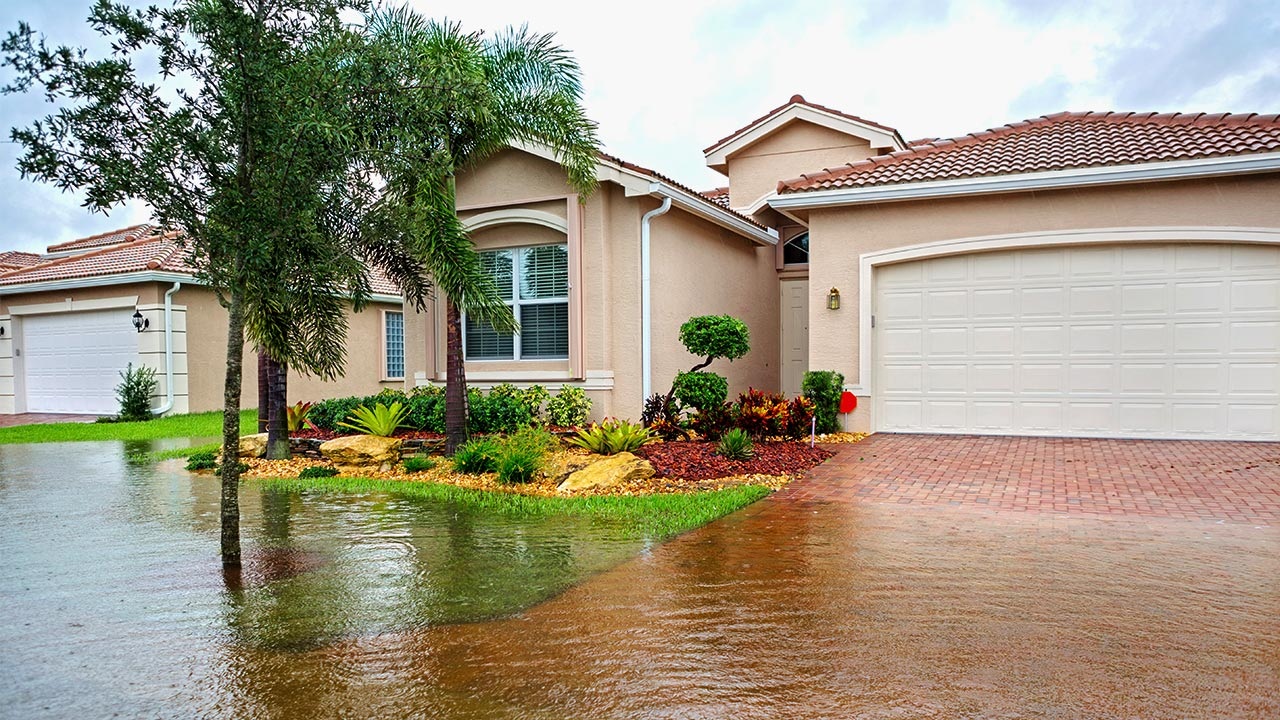
If you own a home, one of the most important things you want to make sure of is whether there are any roof leaks during storms or if, when it rains, your backyard is pitched in such a way as to allow the rain water to come into your basement or foundation area. Water can do a lot of damage to homes and will eventually eat away at the foundation and possibly have it crack. The repairs to this damage are quite expensive and you will want to avoid having to do any at all costs. The best way for you to protect your home from rain water is to have a retaining wall put in.
What Is A Retaining Wall
If your home is built where the backyard or even the front yard is on a hill, rain water will flow down the hill and eventually come to your home. At some point on the hill, you will need to have a retaining wall put it. These can be brick style forms that are built up to make a wall which acts as a barrier between the rain water and your home. They could also be made of solid concrete which is poured in. Most homeowners will go with the brick type walls because they are generally more attractive. They will add to the beauty of your yard.
How To Have A Wall Put In
You will need to contract with a segmental retaining wall builder in order to have one installed. They will come to your home and give you an estimate of the work and suggest where the wall should be placed. If it is too high or low, it will not do what you want it to do. Check with several companies in order to get a couple of estimates. Contract with the one who will give you the best price and has good recommendations. The contractor will dig out part of the hillside in order to create a level spot to install the wall. His workers will then place the bricks in layers until it reaches the adequate height. It will all be mortared into place making it secure.
Once your retaining wall has been installed and you are satisfied with the look of it, he will give you a guarantee of the workmanship. If for any reason you find there is damage to the wall itself or if there are still water leaks getting through, you will need to contact the contracting company and have them come out and make repairs. You should also check with your local authorities prior to starting the work to see if you will need to get permits to have the retaining wall installed. They may also require that a city inspector come out while the work is being done and after it is complete to approve it and give you a certificate of occupancy. Pricing for the wall will vary depending on the size and length of it.