
 Fullerton
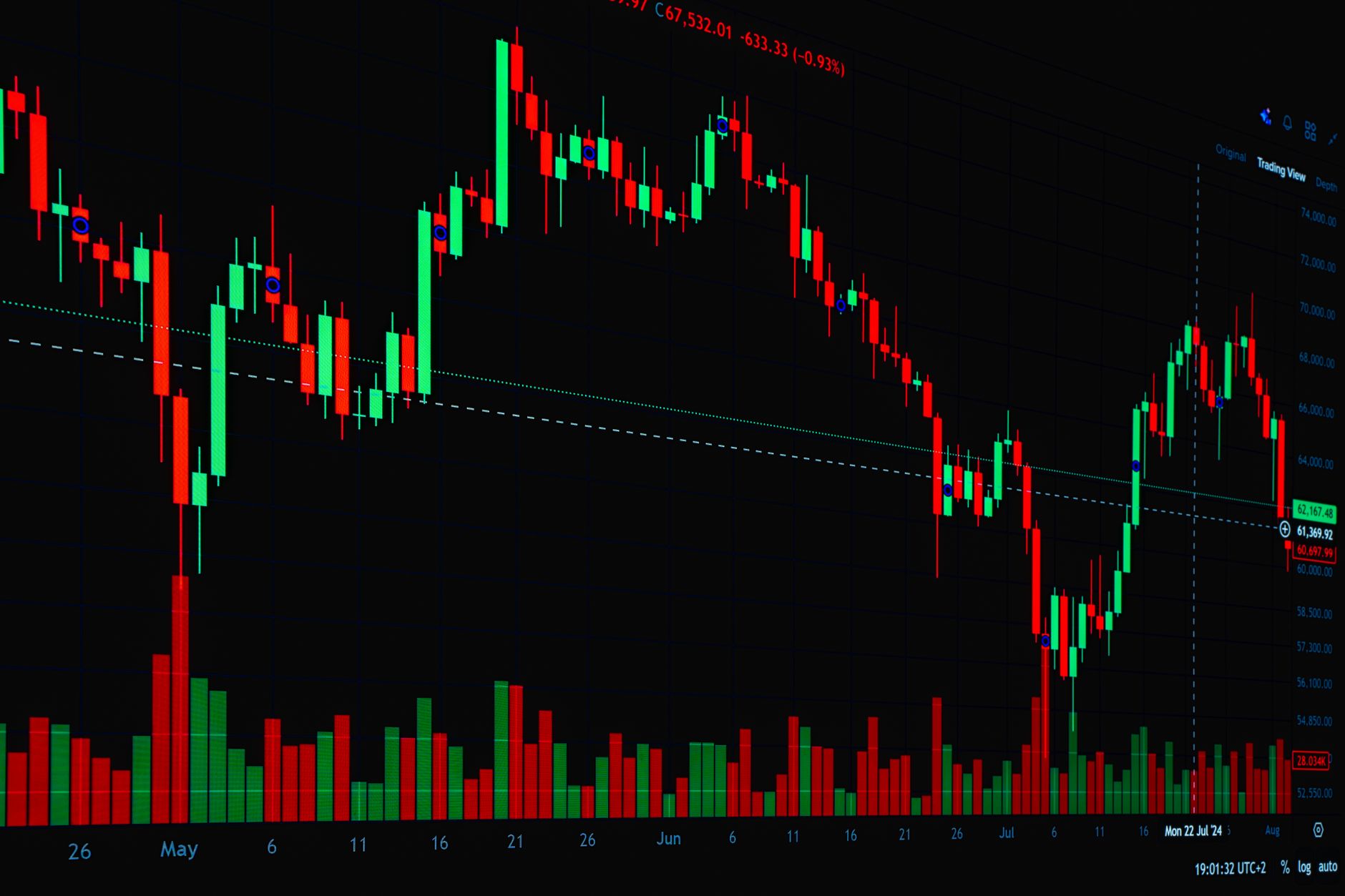
PB Fintech crash has sent shockwaves through the market, with shares plummeting 34% following the IRDAI’s proposal for new insurance norms.
Understanding the PB Fintech crash
The recent PB Fintech crash has raised significant concerns among investors and market analysts alike. Following the Insurance Regulatory and Development Authority of India (IRDAI) proposal for new insurance norms, shares of PB Fintech plummeted by 34%. This dramatic downturn has caught the attention of the financial community, prompting discussions about the implications for the company and the broader industry.
Several factors have contributed to this steep decline:
- Regulatory Changes: The new insurance norms proposed by IRDAI are set to alter the landscape for insurance providers and intermediaries, impacting their operational frameworks.
- Market Sentiment: The sudden announcement has triggered fears among investors regarding the future profitability and growth potential of PB Fintech, leading to a sell-off.
- Competitive Pressure: With changing regulations, competitors may adapt more swiftly, potentially sidelining PB Fintech in the evolving market.
As the situation develops, analysts are closely monitoring the effects of these new insurance norms on PB Fintech’s business model. Investors are advised to stay informed and consider the long-term ramifications of the PB Fintech crash in light of regulatory changes.
IRDAI’s proposed insurance norms explained
The recent plunge in PB Fintech’s stock price has raised significant concerns among investors and market analysts alike. This decline of 34% is primarily attributed to the Insurance Regulatory and Development Authority of India (IRDAI) proposing new insurance norms that could impact the operations of various fintech companies.
The proposed regulations aim to enhance transparency and consumer protection within the insurance sector. Key aspects of these norms include:
- Increased Capital Requirements: Firms may be required to hold higher capital reserves to ensure solvency and protect policyholders’ interests.
- Enhanced Disclosure Norms: Companies must provide more detailed information regarding their products and services, making it easier for consumers to make informed decisions.
- Regulatory Oversight: The IRDAI plans to implement stricter oversight on the marketing practices of insurance products, which could affect the business models of companies like PB Fintech.
- Consumer Education Initiatives: The authority is focusing on improving consumer literacy regarding insurance products, which may lead to changes in demand dynamics.
As PB Fintech navigates these proposed changes, investors remain cautious, fearing that the new insurance norms could hinder growth and profitability, contributing to the ongoing PB Fintech crash.
Market reaction to PB Fintech’s decline
The recent announcement regarding new insurance norms by the Insurance Regulatory and Development Authority of India (IRDAI) has led to a significant market reaction to PB Fintech’s decline. Investors expressed concern over the potential impact of these regulations on the company’s business model, resulting in a steep 34% drop in its stock price.
Market analysts have pointed out several factors contributing to this reaction:
- Uncertainty in Compliance: The proposed norms may require PB Fintech to overhaul its operational strategies, increasing compliance costs and affecting profitability.
- Investor Sentiment: The sudden plunge in stock value reflects a broader sentiment of caution among investors, who fear further regulatory changes could hinder growth prospects.
- Market Volatility: The financial market has been experiencing volatility, and the news of the PB Fintech crash has only exacerbated fears regarding stability in the sector.
- Competitive Landscape: The introduction of stricter regulations may provide an advantage to competitors better positioned to adapt quickly to the changing environment.
As analysts continue to assess the implications of the new insurance norms, market participants remain on high alert, closely monitoring PB Fintech’s response to this challenging landscape.
Impact on investors and stakeholders
The recent PB Fintech crash has sent shockwaves through the investment community, raising concerns among investors and stakeholders alike. The company’s stock plummeted by 34% following the announcement of new insurance norms by the Insurance Regulatory and Development Authority of India (IRDAI). This significant decline has left many questioning the long-term viability of PB Fintech and its ability to adapt to the evolving regulatory landscape.
Investors are particularly worried about the implications these new regulations may have on PB Fintech’s business model. The potential for reduced profitability and increased operational costs has led some investors to reassess their positions. As a result, a number of shareholders are contemplating the future of their investments in light of the recent downturn.
Stakeholders, including employees and partners, are also feeling the impact of the PB Fintech crash. With the stock’s value declining sharply, there are concerns about job security and the overall health of the business. It is crucial for the company to communicate effectively with all parties involved to maintain trust and confidence.
In summary, the aftermath of the PB Fintech crash has created an environment of uncertainty, prompting both investors and stakeholders to carefully monitor developments and reassess their strategies moving forward.
Future outlook for PB Fintech
The recent PB Fintech crash has raised significant concerns among investors and market analysts regarding the company’s future. Following the announcement of new insurance regulations by the Insurance Regulatory and Development Authority of India (IRDAI), PB Fintech experienced a staggering 34% decline in its stock price. This dramatic drop has prompted many to reassess the company’s growth prospects.
Analysts believe that the ongoing regulatory changes may create long-term challenges for PB Fintech. The new norms are expected to tighten the insurance market, leading to increased compliance costs and potentially limiting the company’s ability to innovate. Stakeholders are particularly worried about how these regulations could affect PB Fintech’s competitive edge in the rapidly evolving fintech landscape.
In light of the current situation, several key factors will influence PB Fintech’s recovery:
- Regulatory Adaptation: How effectively the company adapts to the new insurance norms will be crucial.
- Market Positioning: PB Fintech must reassess its market strategy to remain competitive.
- Investor Confidence: Restoring trust among investors will be vital for recovery.
- Innovation and Product Development: Continued investment in technology and new offerings may help regain lost ground.
Ultimately, the future outlook for PB Fintech hinges on its ability to navigate this challenging landscape effectively.
Comparing PB Fintech with competitors
As the PB Fintech crash continues to make headlines, it is essential to analyze how the company’s performance compares with its competitors in the marketplace. Several fintech companies have also experienced fluctuations, but their responses to regulatory changes have varied significantly.
Key competitors in the fintech space include:
- Policybazaar – While facing similar challenges, Policybazaar has managed to maintain a more stable stock value due to its diversified offerings and strong brand loyalty.
- Zerodha – This trading platform has seen consistent growth despite regulatory shifts, highlighting its resilience and robust business model.
- Paytm Money – Despite some setbacks, Paytm Money has adapted quickly to market demands, enabling it to withstand the pressures that have led to the PB Fintech crash.
Investors may find comfort in the fact that other competitors have taken proactive measures to mitigate risks associated with regulatory changes. In contrast, PB Fintech’s abrupt decline of 34% may point to a lack of preparedness or flexibility in addressing the new insurance norms proposed by the IRDAI.
As the situation unfolds, it will be crucial for PB Fintech to reassess its strategies to remain competitive in a rapidly evolving landscape.
Expert opinions on the insurance market
Experts in the insurance market have weighed in on the recent PB Fintech crash, attributing the significant 34% drop to the newly proposed insurance norms by the Insurance Regulatory and Development Authority of India (IRDAI). According to industry analysts, these regulations could reshape the landscape of insurance distribution, impacting digital platforms like PB Fintech.
Dr. Anjali Rao, a financial analyst, noted, “The IRDAI’s proposed norms aim to enhance consumer protection, but they may inadvertently stifle innovation among fintech companies. This regulatory shift poses a challenge for PB Fintech, which thrives on agility and digital solutions.”
Meanwhile, Mr. Rajesh Kumar, an insurance consultant, expressed concern over the timing of these regulations. “The market was already volatile, and the PB Fintech crash could have been exacerbated by investor uncertainty surrounding the new rules,” he stated. “This is a pivotal moment for companies operating in the space.”
Other experts suggest that the long-term effects of the IRDAI’s intervention could lead to a more stable market, albeit with short-term disruptions for platforms like PB Fintech. As the discussion continues, stakeholders remain vigilant, analyzing how these changes will influence the broader insurance ecosystem.
- Regulatory changes can have profound impacts on market dynamics.
- Investors should closely monitor the evolving situation.
The recent PB Fintech crash has raised concerns among investors and analysts alike. Many are questioning the long-term implications of the 34% drop after new insurance norms were introduced.
Photo by Markus Winkler on Pexels