

 Fullerton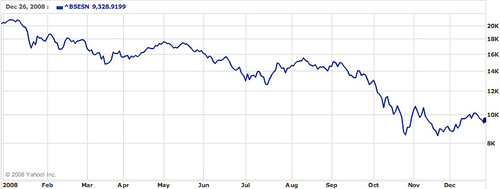
Stock market losses are evident today as the Sensex and Nifty extend their declines for the second consecutive session. Rising oil prices are weighing heavily on market sentiment.
Understanding Today’s Market Trends
Today’s stock market losses have been influenced by a variety of factors, primarily driven by rising oil prices that continue to weigh on investor sentiment. As the Sensex and Nifty indices extend their losses for the second consecutive session, analysts are closely monitoring the situation for potential signs of recovery.
Key trends emerging from today’s market activity include:
- Oil Price Fluctuations: Increased crude oil prices have significantly impacted energy stocks, contributing to the overall decline.
- Investor Sentiment: Worries about inflation and economic growth are causing cautious behavior among investors, leading to further stock market losses.
- Global Market Influence: International market trends are also affecting local indices, with many investors seeking safe-haven assets.
As investors navigate through these challenging times, understanding the underlying market trends will be crucial for making informed decisions.
Impact of Oil Prices on Stock Market
The recent surge in oil prices has significantly impacted investor sentiment, contributing to stock market losses across major indices. As oil becomes increasingly expensive, concerns over inflation and rising production costs are mounting, leading to a cautious approach among traders.
Analysts highlight several key factors driving this trend:
- Increased Operational Costs: Companies reliant on fossil fuels face higher expenses, which may affect profit margins.
- Inflationary Pressures: Elevated oil prices can lead to broader inflation, prompting concerns over central bank policies.
- Global Economic Outlook: Uncertainty surrounding geopolitical tensions may exacerbate market volatility.
With these dynamics at play, investors are advised to stay vigilant. The ongoing fluctuations in oil prices will likely continue to influence market performance, potentially leading to further stock market losses in the near term.
Analysis of Sensex and Nifty Performance
The recent performance of the Sensex and Nifty indices highlights the current turmoil in the stock market. Investors faced significant stock market losses as both indices extended their downward trajectory for the second consecutive session. Analysts attribute this decline primarily to rising oil prices, which have dampened market sentiment and heightened concerns about inflation.
In detail, the Sensex fell by over 500 points, while the Nifty dropped below the crucial support level of 17,500 points. This reflects a broader trend of investor apprehension in the face of fluctuating global oil prices and economic uncertainty.
Some key factors contributing to the losses include:
- Weak global cues: International markets are also experiencing volatility.
- Sector performance: Banking and IT sectors have been particularly hard hit.
- Investor sentiment: A lack of confidence is evident among market participants.
As the situation evolves, investors are urged to remain vigilant.
Investor Reactions to Market Losses
As stock market losses continued to mount, investors expressed a mix of frustration and concern over the recent downturn. With the markets extending losses for a second consecutive session, many are reevaluating their strategies in light of the prevailing economic conditions.
Some investors took to social media to share their thoughts, emphasizing the need for patience during turbulent times. “Volatility is part of the game,” remarked one trader, while others echoed similar sentiments, urging caution in a rapidly changing environment.
In response to the ongoing market challenges, financial experts have suggested a few strategies:
- Diversifying portfolios to mitigate risks
- Staying informed about global economic indicators
- Considering long-term investments rather than reacting to short-term fluctuations
As the situation evolves, investors remain hopeful for a recovery despite the current stock market losses.
Historical Context of Market Declines
The stock market has a long history of fluctuations, with significant declines often reflecting broader economic challenges. Historical data shows that stock market losses can be triggered by various factors, including geopolitical tensions, economic downturns, and shifts in consumer behavior.
For instance, the dot-com bubble burst in the early 2000s led to monumental losses for investors, while the 2008 financial crisis saw markets plummet globally, resulting in widespread financial distress. In recent years, the COVID-19 pandemic also caused unprecedented volatility, illustrating how external shocks can impact investor confidence and market stability.
Understanding these historical contexts is crucial for investors as they navigate current market conditions. As today’s losses unfold, reflecting on past market declines can provide valuable insights and strategies for recovery, emphasizing the cyclical nature of investing amidst stock market losses.
Expert Opinions on Future Market Trends
Experts are weighing in on the recent stock market losses, providing insights that may guide investors through turbulent times. According to financial analyst Dr. Sarah Thompson, “The current market sentiment is largely influenced by external factors such as oil prices and geopolitical tensions.” She emphasizes the importance of diversification in investment portfolios to mitigate risks associated with these fluctuations.
Furthermore, investment strategist Mark Liu suggests that “investors should remain cautious and look for opportunities in undervalued sectors.” He believes that while immediate losses are unsettling, historically, markets have shown resilience and a tendency to recover.
Analysts also highlight the need for investors to stay informed about upcoming economic indicators, which could provide clarity on future market trends. As the market continues to navigate these choppy waters, understanding the forces at play will be crucial for making informed decisions amidst ongoing stock market losses.
Tips for Navigating Market Volatility
As investors grapple with significant stock market losses, navigating the choppy waters of market volatility becomes crucial. Here are some tips to help you manage your investments during turbulent times:
- Stay Informed: Keep up with market trends and economic indicators. Knowledge is power in making informed decisions.
- Diversify Your Portfolio: Spread your investments across various sectors to mitigate risks. A well-diversified portfolio can cushion against losses.
- Maintain a Long-Term Perspective: Focus on your long-term goals rather than short-term fluctuations. This approach can prevent emotional decision-making.
- Consider Dollar-Cost Averaging: Invest a fixed amount regularly, regardless of market conditions. This strategy can reduce the impact of volatility.
- Consult a Financial Advisor: Seek professional advice tailored to your financial situation to navigate difficult market environments effectively.
By employing these strategies, investors can better manage stock market losses and come out stronger in the long run.
Conclusion: What Lies Ahead for Investors
In conclusion, the recent stock market losses have left many investors questioning the stability of their portfolios. As we move forward, it is essential for investors to remain vigilant and informed about the evolving market dynamics. The interplay between global oil prices and local market sentiments will continue to be a significant factor influencing market performance.
Experts suggest that diversification remains a key strategy for mitigating risks associated with sudden market fluctuations. Additionally, being aware of macroeconomic indicators can provide valuable insights into potential market rebounds or further declines.
Investors should also consider maintaining a long-term perspective, as historical trends indicate that markets tend to recover over time. By staying informed and proactive, investors can better navigate through these turbulent times and potentially capitalize on future opportunities as the market stabilizes.
By MIKI Yoshihito. (#mikiyoshihito) via Openverse
Read the original
You might also like
Sensex Nifty rebound shows clear market recovery signs · Vail Resorts earnings: Clear beat on revenue expectations · Transportation stocks: What are the best options to consider?