
 Fullerton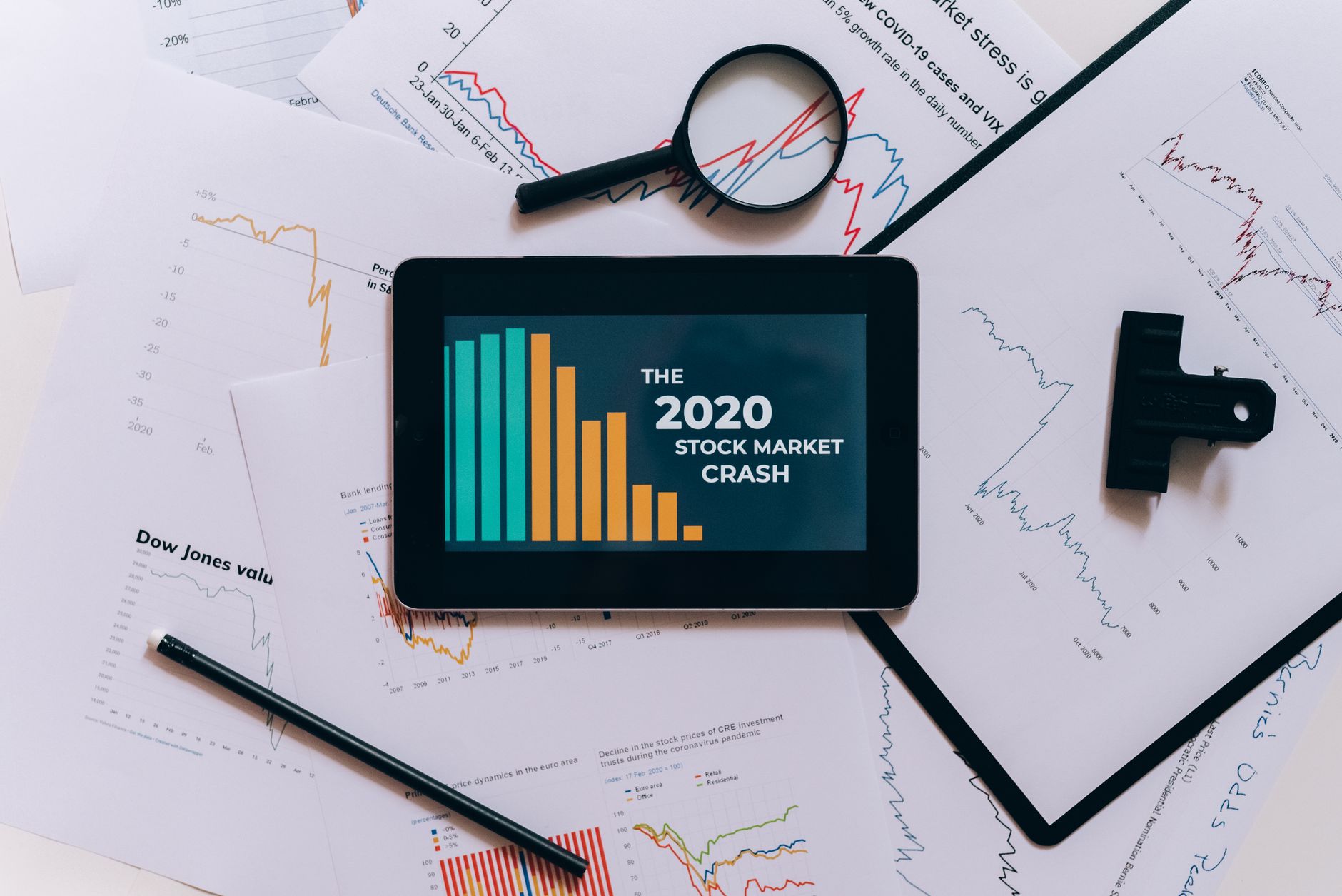
Sensex market decline is a significant concern for investors today. As rising crude prices and FII selling weigh on the markets, the impact is being felt across sectors.
Understanding the Current Market Trends
The recent Sensex market decline has raised concerns among investors and analysts alike. As the index fell by 252 points, reaching a notable low, it becomes essential to understand the underlying trends contributing to this downturn.
Several factors have been identified as influential in shaping the current market landscape:
- Rising Crude Prices: The continuous increase in crude oil prices has put pressure on the economy, leading to fears of inflation and higher operational costs for businesses.
- Foreign Institutional Investment (FII) Selling: A significant trend of selling by foreign institutional investors has been observed, which has a direct impact on market stability and investor confidence.
- Economic Indicators: Recent economic data indicating slower growth has contributed to uncertainty, prompting cautious trading behaviors among market participants.
- Global Market Influences: Global economic conditions, including geopolitical tensions and monetary policy changes in major economies, have also played a role in the downward movement of the Sensex.
As these factors continue to evolve, investors are advised to stay informed and consider their strategies carefully in response to the ongoing Sensex market decline.
Factors Contributing to Sensex Decline
The recent decline in the Sensex market has been attributed to several interrelated factors that have caused investor sentiment to waver. Understanding these elements is crucial for comprehending the broader implications for the economy.
- Rising Crude Oil Prices: The increase in crude oil prices has a direct impact on inflation and overall economic stability. As fuel costs rise, so do prices for essential goods, leading to increased operational costs for businesses.
- Foreign Institutional Investor (FII) Selling: A surge in FII selling has put additional pressure on the Sensex market. When foreign investors withdraw their investments, it can lead to a decrease in stock prices, further exacerbating market declines.
- Economic Uncertainty: Ongoing geopolitical tensions and economic forecasts contribute to a climate of uncertainty. Investors often respond by pulling back on investments, which can lead to a downward spiral in market performance.
- Domestic Factors: Local economic indicators, such as unemployment rates and consumer spending, can also play a significant role. A decline in domestic demand can signal trouble for companies, impacting their stock performance.
Collectively, these factors contribute to the recent Sensex market decline, highlighting the interconnected nature of global and local economic conditions.
Impact of Crude Oil Prices on Markets
The recent decline in the Sensex market has been significantly influenced by fluctuations in crude oil prices, which have a direct correlation with market stability. High crude oil prices can lead to increased costs for businesses, ultimately affecting their profitability and, consequently, investor sentiment.
As crude prices rise, several challenges emerge for the economy:
- Increased Inflation: Higher oil prices often lead to increased transportation and production costs, which can push consumer prices up, leading to inflationary pressures.
- Trade Deficit: Countries that rely heavily on oil imports may experience a widening trade deficit as the cost of imports rises, affecting their currency and overall economic stability.
- Investor Confidence: Persistent high crude prices can lead to uncertainty in the markets, prompting foreign institutional investors (FIIs) to withdraw funds, as seen in recent trends contributing to the Sensex market decline.
Moreover, the global economic landscape is influenced by geopolitical tensions in oil-producing regions, which can cause spikes in crude prices. The market’s reaction to these fluctuations often results in volatility, impacting indices like the Sensex and leading to significant changes in investor behavior.
FII Selling: What Does It Mean?
Foreign Institutional Investors (FIIs) play a crucial role in the Indian stock market, and their actions can significantly influence the Sensex market decline. When FIIs sell off their holdings, it often leads to a noticeable drop in market indices, as seen in recent trading sessions.
So, what does FII selling mean for the market and investors? Here are some key points to consider:
- Market Sentiment: FII selling typically reflects a lack of confidence in the market’s future performance. This can trigger panic among domestic investors, leading to further declines.
- Liquidity Impact: A significant sell-off by FIIs can reduce liquidity in the market, making it harder for other investors to buy or sell shares without affecting prices.
- Currency Fluctuations: FIIs often withdraw funds due to adverse currency movements, which can lead to greater selling pressure in the stock market.
- Global Economic Factors: Increased FII selling can be a reaction to global economic uncertainties, such as inflation or geopolitical tensions, further contributing to the Sensex market decline.
Understanding these factors is essential for investors looking to navigate the complexities of the market during such turbulent times.
Expert Opinions on Market Outlook
As the Sensex market decline continues to capture the attention of investors and analysts alike, expert opinions provide valuable insights into the ongoing volatility. Market strategists have voiced their concerns regarding the implications of recent economic indicators and global events.
According to Dr. Anjali Mehta, a senior economist at a leading financial institution, “The decline in the Sensex is primarily driven by external factors, including rising crude oil prices and foreign institutional investor (FII) selling. These elements create uncertainty, leading to a cautious approach among domestic investors.”
Furthermore, Rajesh Kumar, a market analyst, emphasized the importance of monitoring geopolitical situations. “Instability in international markets can significantly affect investor sentiment in India. The recent sell-off by FIIs reflects a broader trend of risk aversion,” he stated.
Adding to the discourse, Priya Sharma, the head of equity research, noted the potential for recovery. “While the Sensex market decline is concerning, it’s crucial to identify opportunities within the turmoil. Investors should focus on fundamentally strong companies that can weather the storm.”
In conclusion, as experts weigh in on the current market outlook, the consensus suggests a need for vigilance and strategic planning moving forward.
Historical Context of Sensex Movements
The Sensex market decline has a historical context that provides valuable insights into its movements over the years. Understanding these patterns can help investors navigate the current volatility and prepare for future fluctuations.
Historically, the Sensex has experienced numerous ups and downs influenced by various economic indicators and global events. Key moments in its history include:
- The Dot-Com Burst (2000) – A significant drop occurred as technology stocks plummeted, leading to a broader market decline.
- The Global Financial Crisis (2008) – The Sensex faced a steep decline as investors reacted to the financial turmoil, highlighting the sensitivity of markets to global economic shifts.
- The COVID-19 Pandemic (2020) – An unprecedented fall was observed as uncertainty gripped markets worldwide, showcasing the impact of health crises on economic stability.
In addition to these major events, the Sensex has been affected by factors such as inflation rates, interest rates, and domestic policy changes. For instance, rising inflation often leads to a decrease in consumer spending, which can negatively impact corporate earnings and, consequently, the overall market performance.
This historical perspective emphasizes the importance of understanding the myriad of factors that can lead to a decline in the Sensex, equipping investors with the knowledge to make informed decisions in turbulent times.
Strategies for Investors During Market Volatility
As the Sensex market decline continues to create uncertainty, investors are encouraged to adopt strategies that can help mitigate risks during this period of volatility. Here are some effective approaches:
- Diversification: Spreading investments across various sectors can reduce the impact of a downturn in any single area. This strategy helps in balancing risk and can lead to more stable returns.
- Focus on Quality Stocks: Investing in fundamentally strong companies with consistent performance records may provide a safety net during turbulent times. Look for companies with solid balance sheets and a track record of resilience.
- Utilize Stop-Loss Orders: Setting stop-loss orders can protect investments from significant losses by automatically selling stocks when they reach a certain price.
- Stay Informed: Keeping up with market news and economic indicators can help investors make timely decisions. Understanding market dynamics can better prepare them for potential downturns.
- Long-Term Perspective: Maintaining a long-term investment horizon can help investors ride out short-term market fluctuations. Historically, markets tend to recover over time.
By implementing these strategies, investors can better navigate the challenges posed by the ongoing Sensex market decline and potentially emerge stronger when conditions improve.
The Sensex market decline has raised concerns among investors, prompting experts to analyze the underlying causes. Factors such as global economic trends and domestic policy changes are contributing to the ongoing Sensex market decline.
Photo by Leeloo The First on Pexels
Sources
You might also like
Reliance Jio IPO: The Worst Impact on RIL Stock This Year · Bitcoin ETF inflows show proven growth trend · JPMorgan earnings estimate: Worst miss but others shine