
 Fullerton
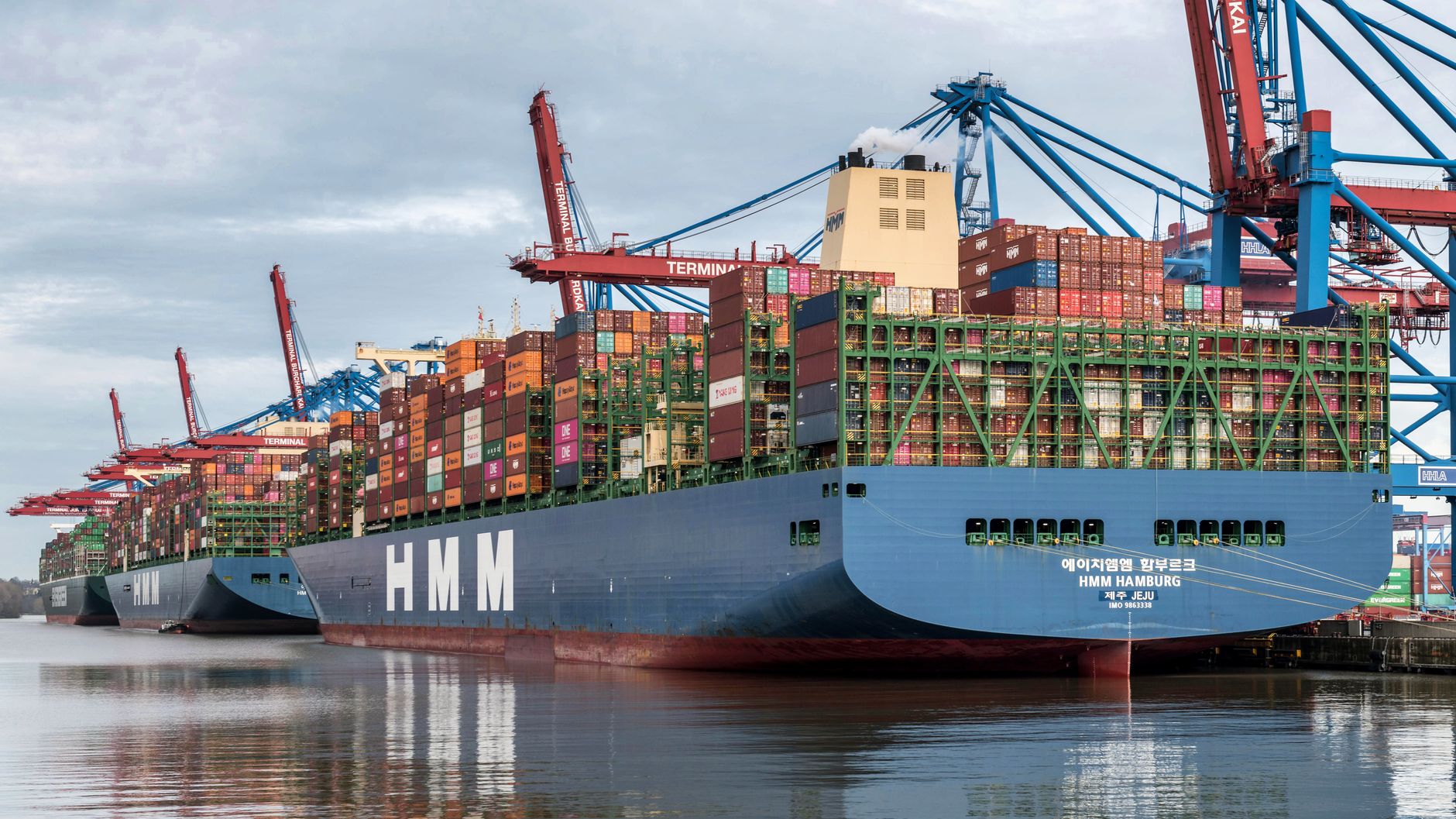
HMM container ship investment is a significant move as the company plans to invest 2.1 trillion won to secure 12 new vessels. This investment is part of a larger strategy to enhance its logistics capabilities.
Overview of HMM’s Investment Plans
HMM, a leading player in the global shipping industry, has announced a significant investment plan aimed at enhancing its fleet. The company is set to invest 2.1 trillion won to secure the acquisition of 12 new container ships. This move is part of a broader strategy, as HMM’s total investment this year is projected to exceed 6 trillion won.
The decision to expand its fleet comes amid growing demand for shipping capacity, driven by a surge in global trade. HMM aims to position itself competitively in the market by investing in state-of-the-art vessels that offer improved efficiency and environmental sustainability.
Industry analysts are closely monitoring HMM’s container ship investment, weighing the potential risks and rewards associated with such a significant financial commitment. The success of this strategy will depend on various factors, including market conditions and operational execution.
Impact on the Shipping Industry
The recent announcement of HMM container ship investment has sparked discussions about its potential impact on the shipping industry. By investing 2.1 trillion won to secure 12 new container ships, HMM aims to enhance its competitive edge in a rapidly evolving market. This investment not only reflects HMM’s commitment to expanding its fleet but also signals a broader trend in the industry.
As global demand for shipping services continues to rise, companies are increasingly looking to modernize their fleets. The addition of newer, more efficient vessels can lead to significant cost savings and reduced environmental impact. Key implications of HMM’s strategy include:
- Increased Capacity: More ships mean the ability to transport larger volumes of goods.
- Enhanced Efficiency: Newer vessels typically operate more efficiently, lowering operational costs.
- Market Dynamics: HMM’s move may prompt competitors to accelerate their own investments.
Ultimately, the success of HMM’s container ship investment will depend on its ability to navigate these industry changes effectively.
Details of the New Container Ships
As part of its ambitious strategy, HMM is set to acquire a fleet of 12 new container ships, which comes with a hefty price tag of 2.1 trillion won. This significant investment is aimed at bolstering the company’s operational capacity and enhancing its competitive edge in the global market.
The new ships are expected to feature state-of-the-art technology, improving efficiency and reducing environmental impact. With larger cargo holds and advanced fuel systems, these vessels will help HMM meet increasing demand while adhering to stricter regulations.
- Size: Each ship will have a capacity of over 15,000 TEUs.
- Delivery Schedule: The first vessels are expected to be operational by late 2024.
- Environmental Features: Equipped with eco-friendly engines and systems.
This bold move represents HMM’s commitment to the future of shipping, making the HMM container ship investment a significant focus in the industry.
Financial Implications for HMM
The financial implications of HMM’s container ship investment are significant, with the company allocating 2.1 trillion won to secure 12 new vessels. This ambitious move is expected to enhance HMM’s operational capacity and market competitiveness. However, analysts have raised questions about the overall risk associated with such a substantial investment, especially considering market volatility.
Investing over 6 trillion won this year alone underscores HMM’s commitment to expanding its fleet, but it also places considerable pressure on the company to achieve a return on investment in a challenging global shipping environment. Industry experts suggest that while the potential for growth exists, investors should carefully evaluate the risks involved, particularly given the fluctuations in shipping demand and freight rates.
In conclusion, the financial ramifications of HMM’s container ship investment will be closely monitored as stakeholders assess whether the long-term benefits outweigh the inherent risks.
Market Response to the Investment
The market response to HMM’s container ship investment has been mixed, reflecting a blend of optimism and caution among investors. Following the announcement of a 2.1 trillion won investment to secure 12 new container ships, shares of HMM experienced a brief surge, indicating initial confidence in the company’s strategy. However, analysts warn of potential risks associated with such significant capital outlay.
Market sentiment is influenced by several factors:
- Global Trade Dynamics: Fluctuations in international trade volumes can impact the profitability of new vessel acquisitions.
- Environmental Regulations: Increasing compliance costs related to emissions may strain financial returns.
- Competition: The growing number of players in the shipping industry could affect HMM’s market share.
Ultimately, while HMM’s container ship investment may bolster its fleet and operational capacity, the long-term viability remains to be seen amidst these challenges.
Future of Logistics in South Korea
The future of logistics in South Korea appears promising, particularly with HMM’s container ship investment. As HMM continues to expand its fleet, it aims to enhance its operational capacity in a rapidly evolving global market. This investment is expected to streamline supply chain processes, ultimately benefiting local businesses and consumers alike.
Key factors influencing the logistics landscape include:
- Technological Advancements: Automation and digitalization are transforming logistics operations, making them more efficient.
- Global Trade Dynamics: As trade patterns shift, South Korean logistics companies must adapt to maintain competitiveness.
- Sustainability Initiatives: There is a growing emphasis on eco-friendly shipping practices, which HMM is likely to consider in its operations.
Overall, HMM’s container ship investment not only positions the company for future growth but also reflects a broader trend towards modernization in South Korea’s logistics sector.
Comparative Analysis with Competitors
In evaluating HMM’s container ship investment, it is essential to consider how it stands against competitors in the shipping market. Several key players, including Maersk and MSC, have made substantial investments in expanding their fleets, often prioritizing eco-friendly technologies and larger vessel capacities.
HMM’s decision to invest 2.1 trillion won in securing 12 new container ships aligns with this trend, yet it raises questions about its competitiveness in an increasingly saturated market.
Key points of comparative analysis include:
- Fleet Size: HMM’s current fleet size compared to industry giants.
- Technological Advancements: Adoption of greener technologies versus competitors’ innovations.
- Operational Efficiency: Cost per container shipped in relation to peer companies.
Ultimately, the success of HMM’s container ship investment will depend on its ability to navigate these competitive waters effectively.
Expert Opinions on the Investment
Experts in the shipping and logistics sectors are weighing in on HMM’s container ship investment, which has become a hot topic among investors and analysts alike. With the company planning to invest 2.1 trillion won to secure 12 new container ships, opinions vary on whether this move is worth the risk.
- Market Expansion: Some analysts believe that the investment is a strategic move that positions HMM favorably in the growing global shipping market.
- Technological Advancements: Others argue that the investment in newer vessels could enhance operational efficiency, making HMM more competitive.
- Financial Stability: However, concerns about the company’s overall financial health and the potential for overcapacity loom large.
In conclusion, while the HMM container ship investment may offer significant opportunities, experts caution investors to consider the associated risks carefully.
The HMM container ship investment has garnered significant attention due to the fluctuating market conditions. Investors must carefully weigh the potential rewards against the inherent risks of the HMM container ship investment.
Photo by Wolfgang Weiser on Pexels