
 Fullerton
early PF withdrawals can have a profound impact on your financial future. Understanding the implications on the five-year tax rule is crucial for making informed decisions.
Understanding PF Withdrawals
Understanding the implications of early PF withdrawals is essential for individuals considering accessing their Provident Fund savings before retirement. While the purpose of the PF scheme is to provide financial security during retirement, some may find themselves in urgent need of funds.
However, early withdrawals can lead to unintended consequences, particularly regarding taxation. Here are some important points to consider:
- Five-Year Tax Rule: Contributions made to the PF account must be held for a minimum of five years for the interest earned to be exempt from taxes. Early PF withdrawals can disrupt this timeline.
- Tax Implications: If funds are withdrawn before the five-year mark, the interest earned during that period will be taxable as income, potentially increasing your tax liability.
- Long-Term Financial Planning: Relying on early PF withdrawals can jeopardize your long-term financial goals, as these funds are designed to support you during retirement.
- Alternatives: Before opting for an early withdrawal, consider other options such as loans or emergency funds that may not carry the same tax consequences.
In conclusion, while early PF withdrawals may seem like a quick fix, they can have significant repercussions on your tax situation and future financial stability.
Tax Implications of Early Withdrawals
Early PF withdrawals can significantly affect your tax situation, often in ways that individuals may not expect. When an employee withdraws funds from their Provident Fund (PF) before the completion of five years, the tax implications come into play.
According to tax regulations, the amount withdrawn becomes taxable under the head “Income from Other Sources.” This can lead to a sudden increase in your taxable income for the financial year in which the withdrawal occurs.
Key points to consider include:
- Tax Rate: The amount withdrawn will be taxed at your applicable income tax slab rate, which may be significantly higher than anticipated.
- Additional Penalties: In some cases, early withdrawals may also attract penalties, further increasing the financial burden.
- Impact on Future Savings: Withdrawing money early not only affects your current tax situation but also diminishes your long-term savings, which could have compounded over time.
Before deciding on early PF withdrawals, it is crucial to consider these tax implications thoroughly to avoid unexpected financial consequences.
Best Practices for Retirement Savings
Planning for retirement is crucial, and understanding the best practices for saving can help you avoid pitfalls associated with early PF withdrawals. Here are some key strategies to consider:
- Start Early: The earlier you start saving for retirement, the more time your money has to grow through compounding interest.
- Contribute Regularly: Make it a habit to contribute regularly to your Provident Fund. Consistency can significantly increase your retirement corpus.
- Diversify Investments: While PF is a secure investment, consider diversifying into other avenues such as mutual funds or stocks to enhance your returns.
- Educate Yourself: Stay informed about the rules surrounding PF and the implications of early withdrawals. Understanding the five-year tax rule can prevent unexpected tax liabilities.
- Consult a Financial Advisor: Seek professional advice tailored to your financial situation to create a retirement plan that aligns with your goals.
By implementing these best practices, you can build a robust retirement savings strategy and minimize the risks associated with early PF withdrawals. Proper planning can lead to a more secure and financially stable future.
How to Navigate the Five-Year Rule
Navigating the complexities of the five-year rule is crucial for individuals considering early PF withdrawals. This rule primarily affects the tax treatment of your Provident Fund savings, and understanding it can help you avoid unexpected tax liabilities.
When you withdraw your PF amount before completing five years of continuous service, the withdrawal is subject to taxation. Here are key points to keep in mind:
- Continuous Service Requirement: To enjoy tax-free withdrawals, you must maintain continuous service for at least five years. If you withdraw before this period, the entire amount becomes taxable.
- Partial Withdrawals: If you make a partial withdrawal, only the amount withdrawn before five years of service is taxable. The remaining balance may still be tax-exempt if you complete the five-year period later.
- Tax Rate: The amount taxable depends on your income tax slab during the financial year in which you make the withdrawal.
- Form 16: Ensure you receive Form 16 from your employer, which provides necessary details for tax filing.
By understanding the five-year rule, individuals can make informed decisions and reduce the negative impact of early PF withdrawals on their taxes.
Financial Planning for Your Future
When considering early PF withdrawals, it is essential to take a step back and evaluate your long-term financial planning. Making hasty decisions can lead to significant repercussions not just on your retirement savings but also on your tax obligations.
A well-thought-out financial strategy should include:
- Assessing Your Immediate Needs: Before opting for early PF withdrawals, analyze if there are alternative avenues to meet your financial requirements. This could involve exploring loans or emergency funds that do not affect your retirement savings.
- Understanding the Long-Term Implications: Early withdrawals can disrupt your compounding interest, potentially resulting in a lower retirement corpus. Remember, every rupee withdrawn today may cost you significantly more in the future.
- Consulting a Financial Advisor: Engaging with a professional can help you navigate the complexities of your financial situation. They can provide personalized advice tailored to your specific needs, ensuring you make informed choices.
- Regularly Reviewing Your Financial Goals: Your financial plan should be dynamic. Regular assessments can help ensure you stay on track, allowing adjustments when necessary to accommodate changing circumstances.
In summary, early PF withdrawals may seem appealing but should be approached with caution. Prioritizing strategic financial planning can secure your future.
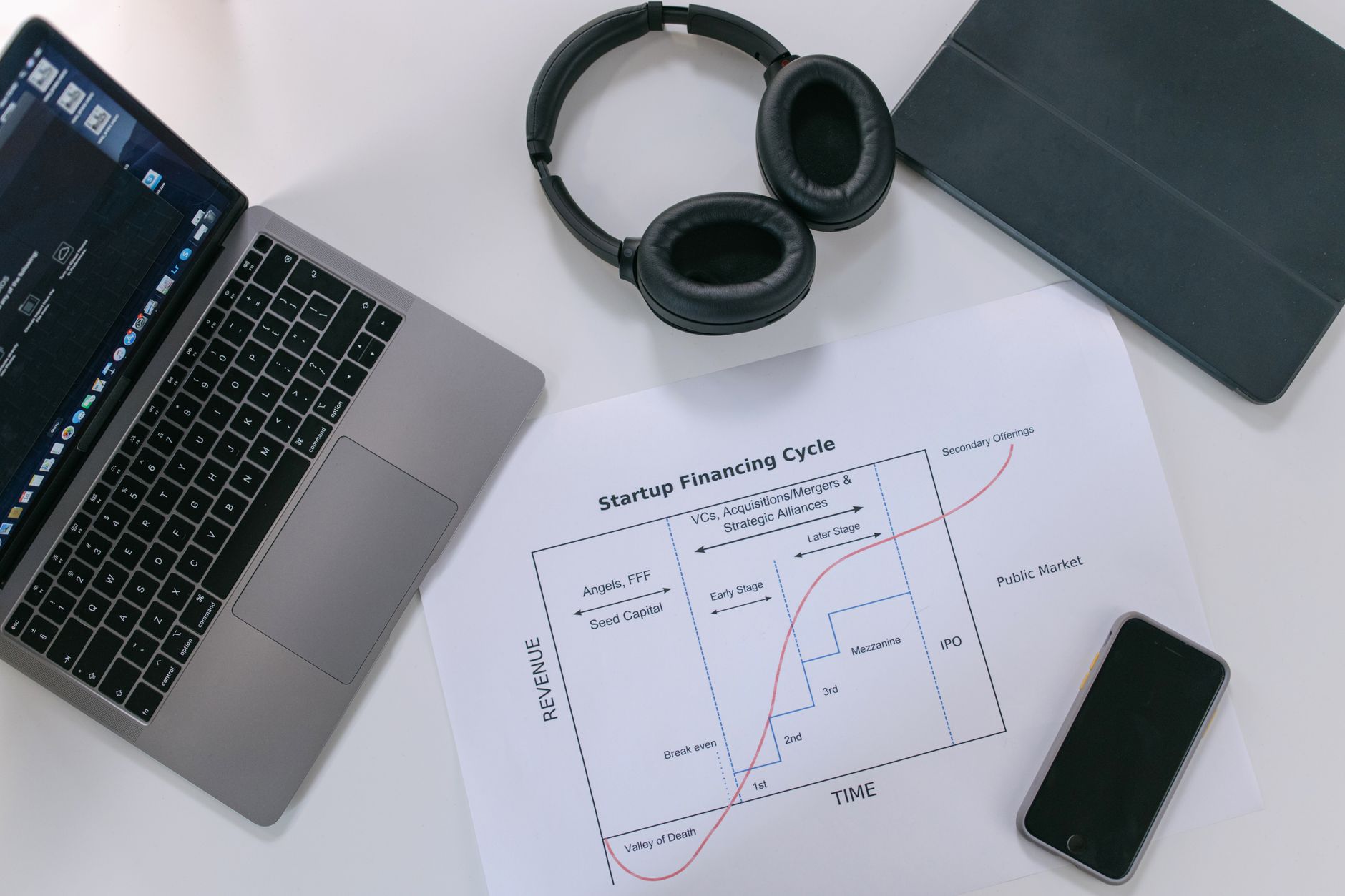
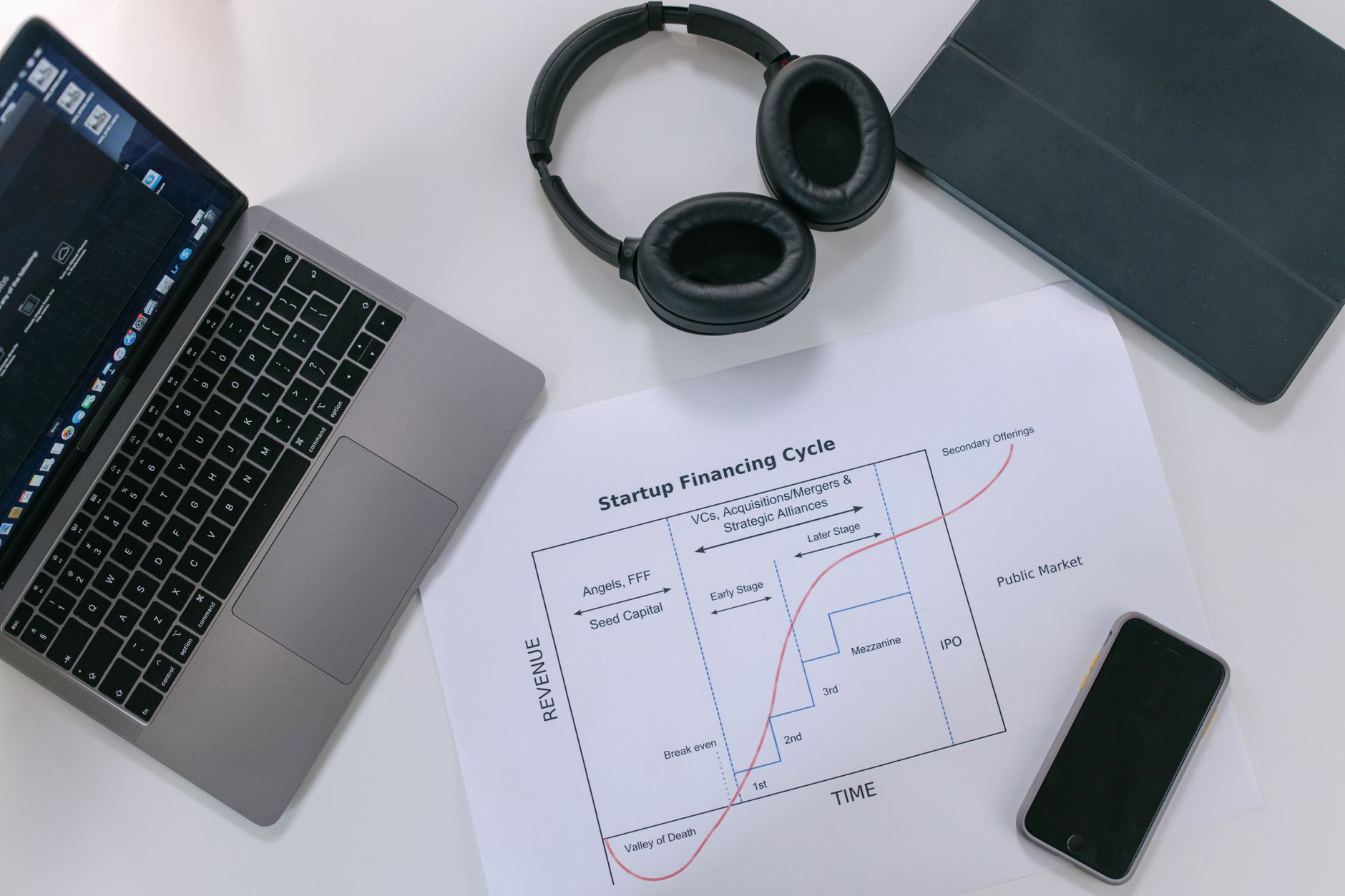
Photo by Monstera Production on Pexels
Sources
Related reading
Jio Platforms IPO: Is It the Best Investment Opportunity Now? · Stock Market Today: Clear Insights on Sensex and Nifty · IPO subscription news: Best proven opportunities this week