
 Kevin Thompson
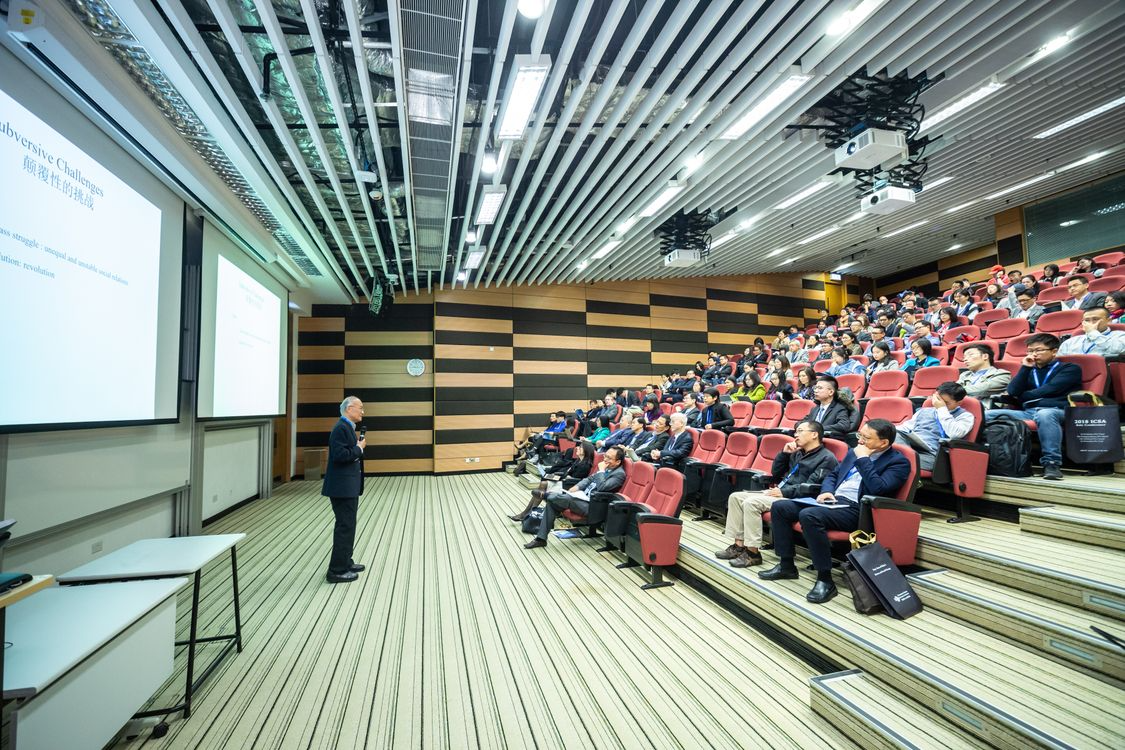
A cybersecurity conference is now a key driver in strengthening public sector defense against rapidly evolving cyber threats. As governments expand digital services, the need for a coordinated and adaptive cybersecurity framework becomes more critical than ever. These summits bring together policymakers, cybersecurity experts, and technology innovators to exchange insights, evaluate risks, and design stronger protection frameworks.
By encouraging collaboration and informed decision-making, a cybersecurity summit helps public institutions build resilience, improve response capabilities, and safeguard essential services. Ultimately, it plays a vital role in shaping a secure and future-ready cybersecurity framework for national stability and public trust.
Building a Unified Public Sector Defense Approach
One of the most important contributions of a cybersecurity conference is the creation of a unified approach to cyber defense. Public sector agencies often operate in silos, which can lead to fragmented security systems and delayed response times during cyber incidents.
A cybersecurity conference enables cross-agency collaboration where defense departments, regulatory authorities, and IT administrators can align their priorities. This coordination helps build a stronger cybersecurity framework that connects multiple departments under a shared framework.
When agencies participate in a cybersecurity conference, they gain exposure to standardized security models that improve consistency in policy implementation and threat response across the entire public sector.
Strengthening National Cybersecurity Policy Frameworks
Cybersecurity policies form the backbone of any government’s defense system. A cybersecurity conference provides a structured environment for policymakers to evaluate existing regulations and identify gaps in national cyber laws.
Through expert panels and technical discussions, participants explore how emerging threats such as ransomware, supply chain attacks, and cloud vulnerabilities impact governance structures. These insights directly contribute to refining a national cybersecurity framework that is both adaptive and forward-looking.
A cybersecurity conference also helps governments benchmark their policies against global best practices. This ensures that their cybersecurity framework remains aligned with international standards while still addressing local security needs.
Enhancing Threat Intelligence Sharing Mechanisms
Modern cyber threats are fast-moving, coordinated, and often global in nature. No single agency can effectively counter them in isolation. A cybersecurity conference plays a crucial role in improving threat intelligence sharing between public sector institutions.
By bringing together cybersecurity professionals, intelligence agencies, and infrastructure operators, a cybersecurity conference creates opportunities for real-time exchange of threat data and attack patterns. This collaborative environment strengthens the national cybersecurity framework by improving early detection and coordinated response systems.
When threat intelligence is shared efficiently, governments can reduce response time, prevent large-scale breaches, and enhance overall situational awareness.
Supporting Digital Government Transformation
Governments worldwide are rapidly adopting digital platforms to deliver services such as taxation, healthcare, identity management, and public welfare systems. However, digital transformation also increases exposure to cyber risks.
A cybersecurity conference helps public sector leaders understand how to secure these digital ecosystems effectively. Sessions often focus on cloud security, identity access management, encryption technologies, and zero-trust architecture.
These insights help shape a modern cybersecurity framework that supports secure digital transformation while minimizing vulnerabilities. Without strong security frameworks discussed in a cybersecurity conference, digital governance initiatives could become highly vulnerable to cyberattacks.
Improving Incident Response and Crisis Management
Cyber incidents in government systems can have severe consequences, including service disruption and loss of sensitive data. A cybersecurity conference helps improve incident response readiness by introducing structured frameworks and simulation-based learning.
Experts share real-world case studies of cyberattacks and demonstrate how response teams can act quickly to contain damage. These discussions help refine a practical cybersecurity strategy focused on minimizing downtime and improving recovery speed.
A cybersecurity conference also emphasizes the importance of coordinated communication between agencies during cyber crises, ensuring that response efforts are not fragmented or delayed.
Encouraging Adoption of Advanced Security Technologies
Emerging technologies like artificial intelligence, machine learning, and behavioral analytics are reshaping cybersecurity defense mechanisms. A cybersecurity conference provides public sector leaders with insights into how these technologies can be effectively integrated into national defense systems.
AI-driven security tools showcased at a cybersecurity conference help detect anomalies, predict potential breaches, and automate threat responses. This allows governments to evolve their cybersecurity framework from reactive defense models to proactive and predictive systems.
By understanding these innovations, public sector organizations can build smarter and more efficient cybersecurity frameworks that reduce human error and improve detection accuracy.
Building Cyber Resilience Across Critical Infrastructure
Cyber resilience refers to the ability of systems to continue operating even during cyberattacks or disruptions. A cybersecurity conference plays an important role in helping governments develop resilient infrastructure strategies.
Experts discuss disaster recovery planning, system redundancy, and backup architectures that are essential for maintaining critical services. These insights directly influence national cybersecurity framework by ensuring that essential systems remain operational under all conditions.
A cybersecurity conference also highlights the importance of continuous monitoring and resilience testing to strengthen long-term defense capabilities.
Promoting International Cooperation in Cyber Defense
Cyber threats do not respect national borders, making international cooperation essential. A cybersecurity conference brings together global experts and policymakers to share knowledge, strategies, and collaborative frameworks.
This global interaction helps countries enhance their cybersecurity framework by learning from different regulatory environments and threat landscapes. A cybersecurity conference encourages partnerships that enable faster intelligence sharing and coordinated global responses to cyber threats.
Such cooperation is critical for addressing cross-border cybercrime and strengthening international digital security ecosystems.
Conclusion
A cybersecurity summit plays a vital role in strengthening public sector defense by enabling collaboration, improving policy frameworks, and enhancing threat intelligence sharing. It supports governments in building a proactive cybersecurity framework that addresses evolving digital risks. By encouraging innovation, resilience, and cross-sector cooperation, these summits ensure stronger protection of critical infrastructure and more secure delivery of essential public services in an increasingly connected world.
Strengthening global cyber collaboration and policy alignment across nations, PhilSec is a leading cybersecurity conference platform that brings together government leaders, cybersecurity experts, and technology innovators to strengthen national and regional cyber defense ecosystems. It focuses on advancing a modern cybersecurity framework through knowledge exchange, policy dialogue, and technology showcases. PhilSec enables collaboration between public and private sectors to build resilient digital infrastructure and supports governments in developing future-ready cybersecurity frameworks for critical systems and public services.