
 Fullerton
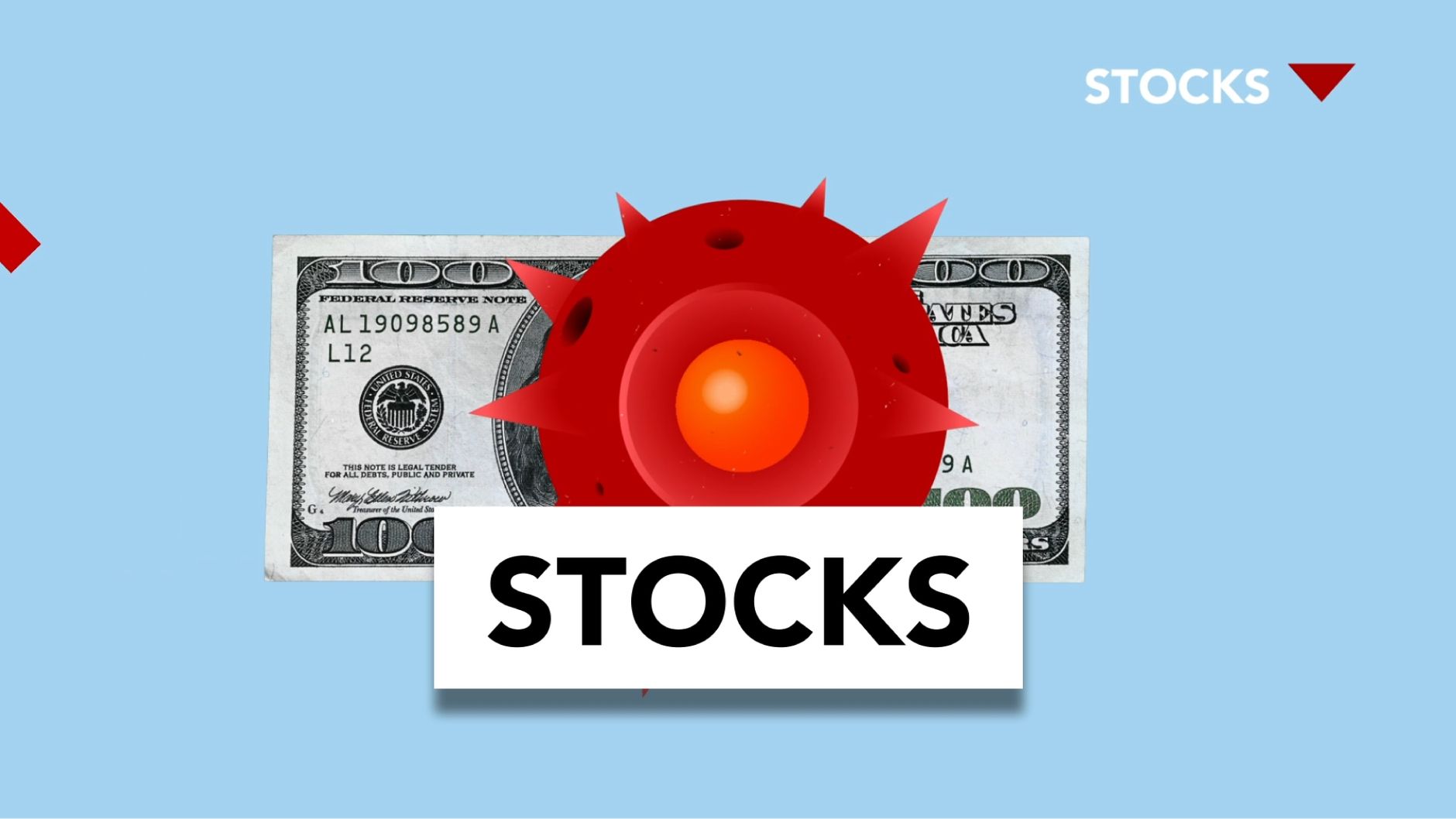
The Sensex market crash today reflects a significant downturn, closing down 1.67 percent amid rising crude prices and mounting global risks.
Understanding the Sensex Market Crash
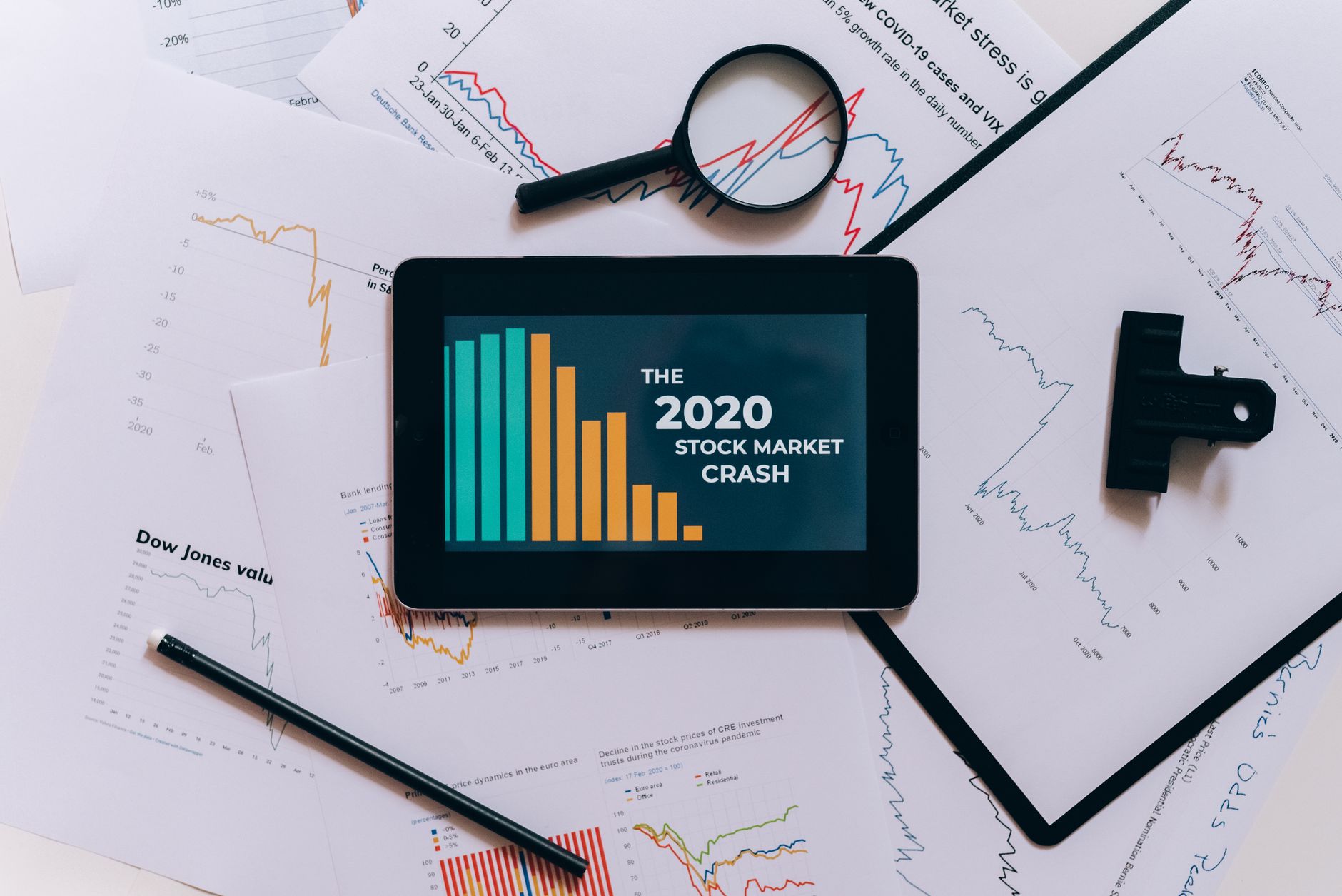
The recent Sensex market crash has left investors reeling as the index plummeted by 1.67 percent at the close of trading. This significant drop has been attributed to a combination of rising crude oil prices, a sharp decline in financial stocks, and increasing global risks that have unsettled markets worldwide.
Understanding the factors behind this downturn is crucial for investors looking to navigate these turbulent waters. Several key elements contributed to the crash:
- Rising Crude Prices: The surge in crude oil prices has raised concerns over inflation and the potential for higher costs across various sectors.
- Financial Sector Weakness: A notable decline in financial stocks has played a pivotal role in dragging the index down, reflecting broader economic worries.
- Global Economic Uncertainty: Heightened geopolitical tensions and economic slowdowns in major markets have added to investor anxiety, prompting many to reassess their portfolios.
As the effects of these challenges unfold, analysts urge investors to remain cautious. The Sensex market crash serves as a stark reminder of the inherent risks in investing, especially in times of volatility. It emphasizes the importance of being informed and adaptable in a rapidly changing financial landscape.
Impact of Crude Prices on Financials
The recent Sensex market crash has sent shockwaves through the financial sectors, particularly influenced by the rising crude oil prices. As global oil rates surged, investor sentiment plunged, leading to a significant downturn in the stock market.
Crude oil prices are a crucial factor in determining the performance of various financial sectors. With the cost of crude climbing, companies across multiple industries face increased operational costs, which can severely impact their profit margins. This has resulted in a ripple effect, causing a decline in stock prices for many firms linked to energy and transportation.
Key impacts of rising crude prices include:
- Increased Operational Costs: Companies reliant on oil for logistics and production are experiencing tighter margins.
- Investor Confidence: The uncertainty surrounding crude prices leads to hesitancy among investors, further exacerbating market volatility.
- Global Economic Concerns: As crude prices rise, fears of inflation and economic slowdown mount, leading to a sell-off in equities.
In conclusion, the interplay between crude prices and market performance highlights the interconnectedness of global factors influencing the recent Sensex market crash. Investors must remain vigilant as these dynamics continue to evolve.
Global Risks Contributing to Market Decline
The recent Sensex market crash has been attributed to a confluence of global risks that have escalated investor anxiety. As financial markets around the world grapple with uncertainty, several key factors have emerged that contribute to the ongoing decline.
- Geopolitical Tensions: Heightened tensions in various regions have led to increased volatility in global markets. Investors are wary of potential conflicts that could disrupt trade and economic stability.
- Inflationary Pressures: Rising inflation rates in several economies have prompted concerns over higher interest rates. This scenario creates a challenging environment for businesses, impacting their profitability and growth prospects.
- Supply Chain Disruptions: The lingering effects of the pandemic continue to disrupt supply chains globally. As companies face delays and increased costs, the overall market sentiment turns negative.
- Financial Sector Instability: With financial institutions showing signs of strain, there is apprehension regarding their ability to withstand economic shocks. This uncertainty has a cascading effect on investor confidence.
As these global risks mount, the Sensex market crash serves as a stark reminder of the interconnectedness of financial markets and the vulnerabilities that can arise from international developments.
Investor Reactions to Market Changes
As the Sensex market crash unfolded, investors were left reeling from the sudden downturn. Many took to social media to express their concerns and frustrations over the rapid decline in stock prices. The 1.67 percent drop at the close signaled a worst-day scenario for numerous investors, leading to widespread panic.
Investor sentiment has shifted dramatically, with many now questioning their long-term strategies. A few key reactions emerged:
- Fear of Further Declines: Some investors voiced fears that the market could see even steeper declines in the coming days, urging caution and reconsideration of their current positions.
- Calls for Diversification: Many seasoned investors recommended diversifying portfolios to mitigate risks associated with the ongoing market volatility.
- Long-term Perspective: A segment of investors maintained a long-term outlook, viewing the current market crash as a temporary setback, emphasizing the potential for recovery in the future.
- Increased Interest in Safe Havens: As volatility reigns, there is a noticeable shift towards safer investments, such as government bonds and gold, which are perceived as more stable during turbulent times.
In this challenging climate, the Sensex market crash has prompted investors to reevaluate their strategies and prepare for an uncertain future.
Future Outlook for Sensex
The recent Sensex market crash has left many investors anxious about the future direction of the financial landscape. As analysts assess the fallout, several factors are expected to play a significant role in shaping the upcoming trends.
Firstly, the ongoing volatility in crude oil prices will likely remain a pivotal influence. As energy costs fluctuate, they can directly impact inflation rates and consumer spending, which in turn affect corporate earnings. Investors should monitor how companies adjust to these changes and their capacity to pass on costs to consumers.
Secondly, the global economic environment is fraught with uncertainties, including potential interest rate hikes and geopolitical tensions. These risks could further exacerbate market instability, prompting cautiousness among investors. Analysts suggest that a thorough understanding of international markets and their implications is essential for navigating this turbulent period.
Furthermore, investor sentiment is expected to fluctuate as new data on economic indicators emerge. While some may see opportunities to buy at lower prices, others may choose to remain on the sidelines until a clearer picture develops. In this climate, a diversified portfolio and a focus on long-term strategies are vital for risk management.
In conclusion, while the recent Sensex market crash has caused immediate concerns, a careful analysis of economic trends will be crucial in guiding future investment decisions.
Strategies for Navigating Market Volatility
In the wake of the recent Sensex market crash, investors are left grappling with uncertainty and volatility. Adapting to changing market conditions is crucial for safeguarding investments and maximizing returns. Here are some effective strategies to navigate through turbulent times:
- Diversification: Spread your investments across various asset classes, such as stocks, bonds, and real estate, to mitigate risks associated with market fluctuations.
- Stay Informed: Keep abreast of economic indicators and global developments that can impact the market. Understanding the factors behind the market crash helps in making informed decisions.
- Long-Term Perspective: Instead of reacting to short-term volatility, focus on long-term investment goals. Historically, markets tend to recover over time, making patience a valuable trait.
- Risk Assessment: Regularly review your portfolio and assess your risk tolerance. Adjust your investments accordingly to align with your financial goals and current market conditions.
- Seek Professional Advice: Consider consulting a financial advisor to develop a tailored strategy that suits your individual risk profile and investment objectives.
By implementing these strategies, investors can better navigate the challenges posed by market fluctuations, turning potential risks into opportunities for growth.