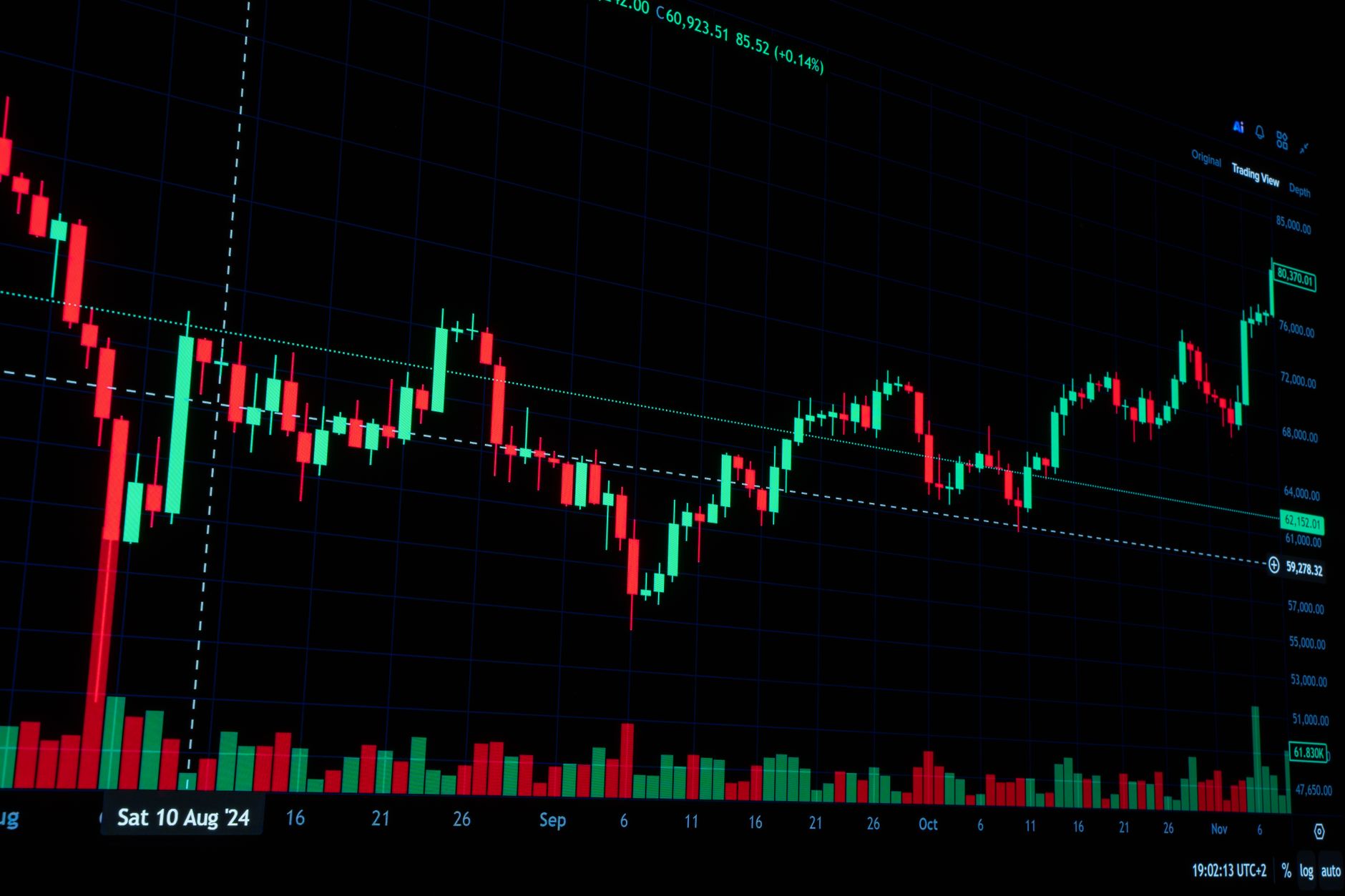

 Fullerton
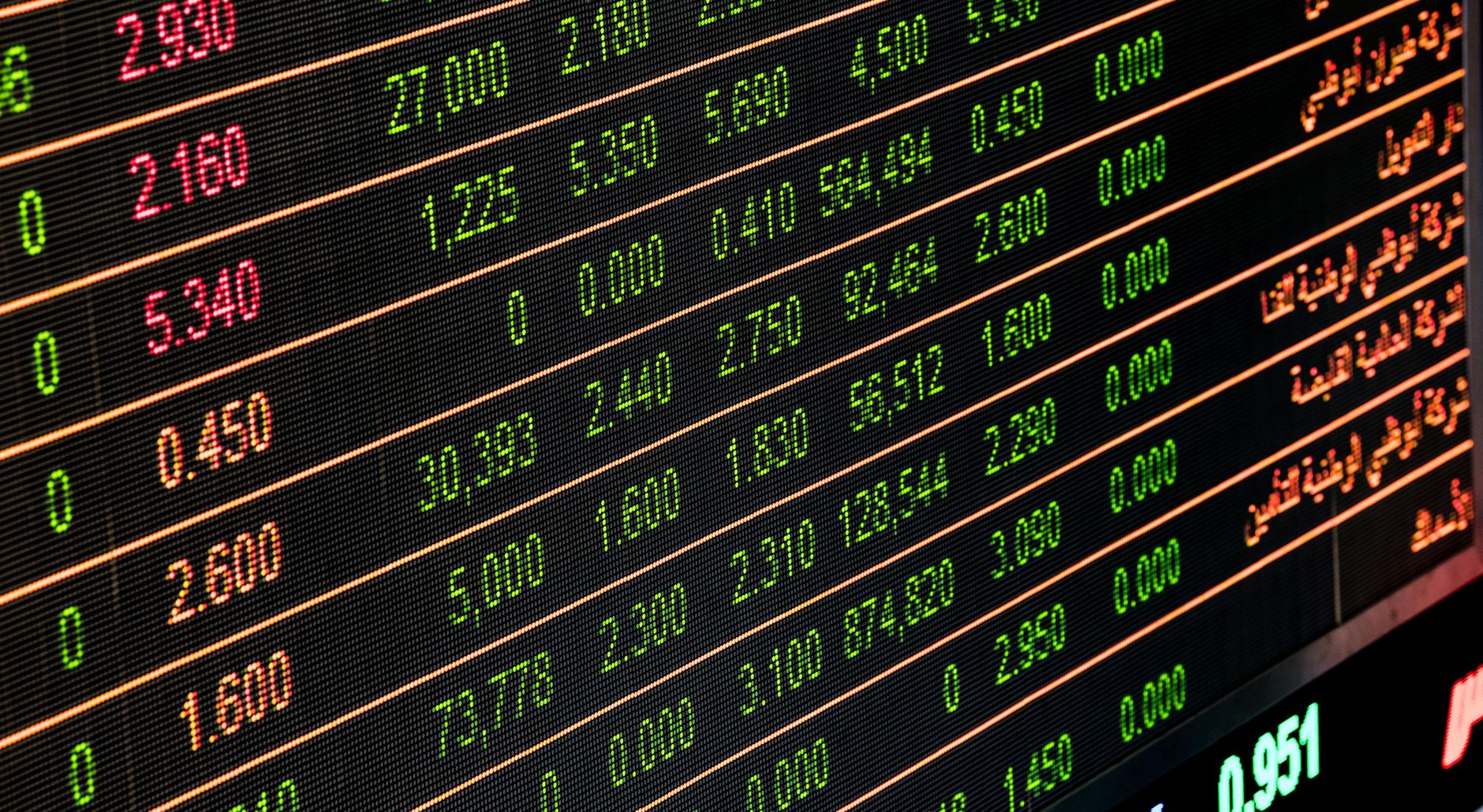
Sensex Nifty trading has taken a downturn as both indices slipped into the red after Muhurat Trading. This trend raises concerns among investors about market stability.
Market Overview Today
Today, the Indian stock market opened on a sluggish note as both the Sensex and Nifty slipped into the red following a brief period of Muhurat Trading. Analysts are closely monitoring the situation, as this downturn raises questions about the current market conditions and whether it is indeed the worst time to invest.
Key factors influencing this decline include:
- Global Market Trends: Weak cues from international markets have played a significant role in shaping investor sentiment.
- Economic Indicators: Recent economic data releases have shown mixed results, creating uncertainty among traders.
- Corporate Earnings: A series of disappointing quarterly earnings reports have added to the negative outlook.
Investors are advised to remain cautious as the Sensex and Nifty trading strategies may need reevaluation in light of these developments. Market experts suggest that while short-term volatility is concerning, long-term investment opportunities could still exist for those willing to navigate the current challenges.
As the day progresses, market participants will be keenly watching for any signs of recovery or further decline, making it an important day for stocks. The prevailing sentiment among traders is one of apprehension, prompting many to consider all available options before making any significant financial decisions.
Factors Influencing Market Movement
As investors assess the current landscape, several factors are influencing the movement of the Sensex and Nifty trading today. Understanding these elements is crucial for making informed investment decisions.
- Global Economic Conditions: The performance of international markets can significantly impact Indian indices. Concerns over inflation and interest rates in major economies have created a ripple effect, leading to cautious trading.
- Domestic Economic Indicators: Key indicators, such as GDP growth and manufacturing output, play a vital role in shaping investor sentiment. Recent reports suggest a slowdown in growth, prompting some investors to reconsider their strategies.
- Corporate Earnings Reports: The earnings season often influences market trends. Disappointing results from major companies can lead to a decline in stock prices, affecting the overall indices.
- Policy Changes: Government policies regarding taxation and investment can sway market dynamics. Recent regulatory announcements have left some investors uneasy, fearing potential restrictions.
- Market Sentiment: Psychological factors and market sentiment can drive volatility. With the markets showing signs of uncertainty, many investors are hesitant to commit to new positions.
In this context, the question of whether it is the worst time to invest remains pertinent as traders navigate these influencing factors in the ongoing Sensex Nifty trading scenario.
Expert Opinions on Current Trends
As the Sensex and Nifty trading indices show signs of volatility, experts weigh in on the current market trends. Many analysts are expressing caution regarding investments at this time, citing a combination of global economic uncertainties and domestic challenges.
According to market strategist Ravi Kumar, “The recent decline in the Sensex and Nifty indicates that investors should adopt a more cautious approach. The volatility is expected to continue as we navigate through the post-Muhurat Trading period.”
In a recent report, Deepa Mehta, a senior economist, highlighted several factors contributing to this uncertainty:
- Inflationary pressures: Rising inflation rates are influencing consumer spending and corporate profitability.
- Geopolitical tensions: Ongoing conflicts and trade issues are creating an unstable investment climate.
- Interest rate hikes: Anticipated changes in interest rates might lead to increased borrowing costs for businesses.
Moreover, Ramesh Gupta, a well-known market analyst, suggests that “investors should focus on long-term goals rather than short-term fluctuations. It may not be the worst time to invest if one is well-informed and strategic about their choices.”
In conclusion, while the current Sensex Nifty trading trends may appear daunting, a careful analysis and a long-term perspective could yield positive outcomes for investors willing to navigate the market’s complexities.
Historical Performance of Sensex and Nifty
The historical performance of the Sensex and Nifty has shown a consistent pattern of resilience, even during challenging economic times. Over the past two decades, both indices have experienced significant fluctuations, but their long-term growth remains a focal point for investors. Notably, the Sensex has delivered an average annual return of around 15%, while the Nifty has mirrored this performance closely.
During various market downturns, such as the global financial crisis of 2008 and the economic impact of the COVID-19 pandemic in 2020, both indices showcased their ability to bounce back. Investors who remained committed during these turbulent times often reaped substantial rewards as the markets recovered. This pattern suggests that while current conditions may appear unfavorable, historical trends indicate potential long-term gains.
Several factors contribute to the performance of these indices, including:
- Economic Growth: The overall economic outlook heavily influences market sentiment.
- Corporate Earnings: Profitable companies tend to boost index performance.
- Global Events: International market trends and geopolitical issues can sway trading behavior.
As investors ponder whether this is the worst time to engage in Sensex Nifty trading, historical patterns may provide some reassurance amidst uncertainty.
What Investors Should Watch For
As the Sensex and Nifty trading indices experience fluctuations, investors should remain vigilant and consider several key factors that may impact their investment decisions.
- Global Economic Indicators: Keep an eye on international markets, as they often influence local sentiments. Economic reports from major economies can lead to shifts in trading patterns.
- Interest Rates: Changes in interest rates can affect market liquidity and investment costs. Monitoring central bank policies is crucial in understanding the market’s direction.
- Corporate Earnings: Quarterly earnings reports provide insight into the health of companies listed on the Sensex and Nifty. Strong earnings can boost market confidence, while disappointing results may lead to declines.
- Geopolitical Events: Political instability, trade negotiations, and diplomatic relations can create uncertainty. Investors should stay informed about global events that could impact market performance.
- Sectoral Trends: Different sectors may react differently to market changes. Understanding which sectors are performing well or poorly can guide investment decisions.
In this environment, where the Sensex and Nifty trading shows mixed signals, informed decision-making is more critical than ever. Investors should assess their risk tolerance and ensure they have a diversified portfolio to navigate potential market downturns.
Future Predictions for Stock Market
As investors look ahead, the future predictions for the stock market, particularly concerning Sensex Nifty trading, remain a topic of intense debate. Analysts are divided on whether the current climate presents a buying opportunity or if further declines are imminent.
Several factors could shape market trends in the coming months:
- Global Economic Conditions: Sluggish growth in key economies could weigh heavily on market sentiment, leading to increased volatility.
- Interest Rate Changes: With central banks around the world adjusting interest rates, the cost of borrowing could impact corporate earnings, ultimately affecting stock prices.
- Inflation Rates: Persistent inflation may prompt investors to reassess their risk tolerance, which could lead to fluctuations in Sensex Nifty trading.
- Geopolitical Events: Ongoing tensions in various regions could create uncertainty, making investors cautious.
In addition, market experts emphasize the importance of keeping an eye on quarterly earnings reports, as they will provide insights into how well companies are navigating the current economic landscape. As we move into the next quarter, the performance of Sensex and Nifty will be closely monitored, offering a clearer picture of whether it truly is the worst time to invest or a strategic moment for long-term gains.
Conclusion on Current Market Situation
In conclusion, the current market situation presents both challenges and opportunities for investors. As observed from the recent Sensex Nifty trading patterns, the indices have faced significant volatility, reflecting a mix of investor sentiment and external economic factors.
While some analysts express concerns about a potential downturn, others emphasize the importance of a long-term perspective. The fluctuations in the market have led to a reconsideration of investment strategies, particularly for those who are risk-averse. As the market slipped into the red after Muhurat Trading, it has become clear that short-term gains may be difficult to achieve in this environment.
Investors are advised to remain vigilant and informed, keeping an eye on key indicators such as:
- Global economic trends
- Domestic policy changes
- Sector-specific performances
- Interest rate adjustments
Moreover, engaging with financial advisors can provide tailored strategies that align with individual risk tolerance and investment goals. The essence of navigating these turbulent times lies in balancing caution with opportunity, ensuring that one remains prepared for potential market rebounds while safeguarding against possible losses.
Ultimately, the decision to invest during such periods should be made with careful consideration of both personal circumstances and market dynamics.
Many investors are questioning whether Sensex Nifty trading is truly at its lowest point, prompting discussions about potential recovery. As analysts evaluate market trends, the future of Sensex Nifty trading remains a hot topic among financial experts.
Photo by Pixabay on Pexels