

 Fullerton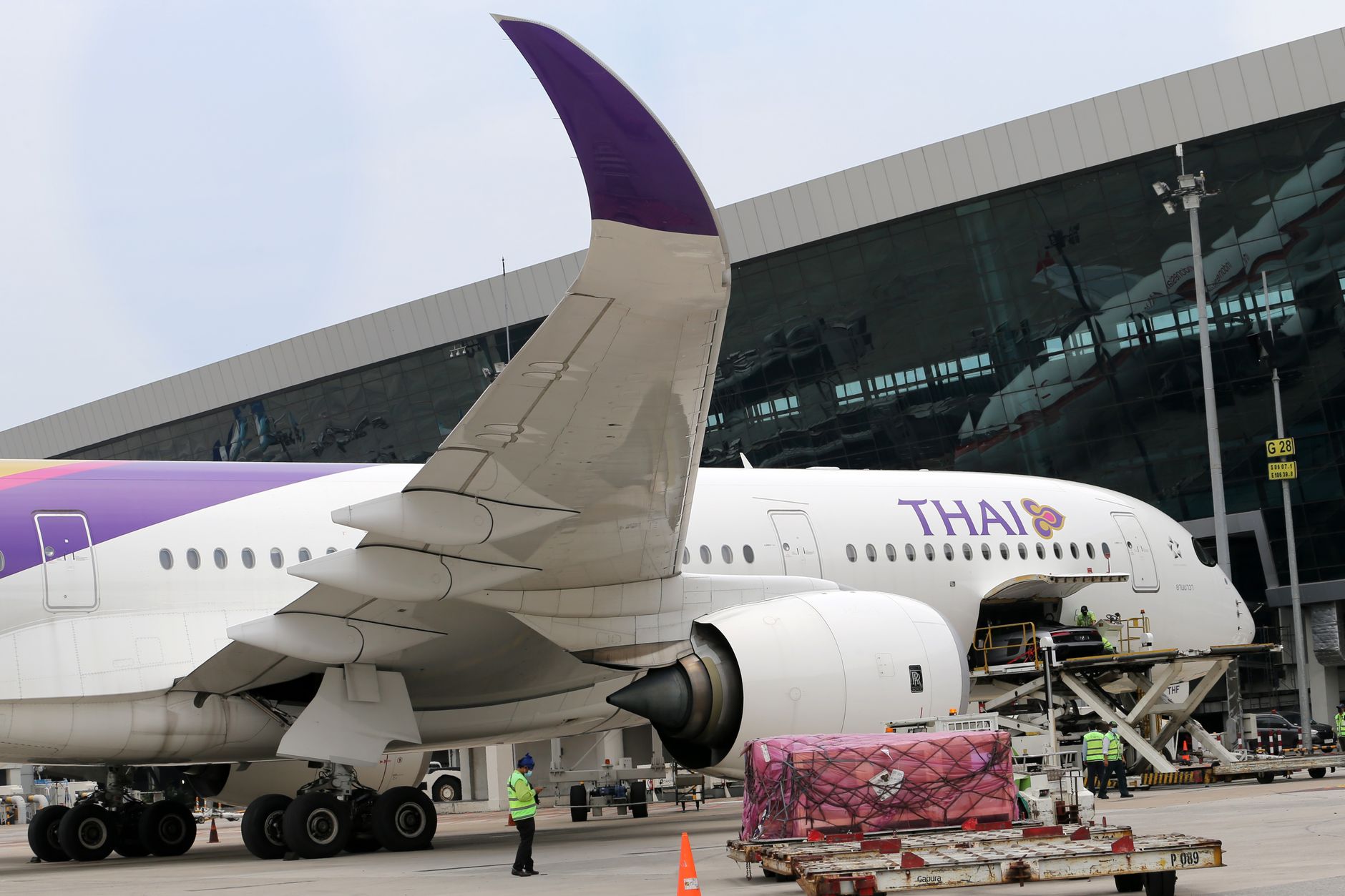
The Thai air cargo network is making significant advancements in its operations as it sets sights on Southeast Asian trade routes.
Overview of the Thai air cargo network
The Thai air cargo network has emerged as a vital component in enhancing trade across Southeast Asia. With its strategic location and robust infrastructure, Thailand serves as a key hub for transporting goods within the region and beyond. This network not only facilitates the swift movement of products but also supports various industries reliant on efficient logistics.
Several factors contribute to the effectiveness of the Thai air cargo network:
- Geographical Advantage: Thailand’s central position in Southeast Asia allows for quick access to neighboring countries.
- Modern Facilities: The country boasts state-of-the-art airports and cargo handling facilities that streamline operations.
- Strong Partnerships: Collaborations with international carriers enhance connectivity and service capabilities.
- Regulatory Support: Government initiatives aimed at promoting trade bolster the air cargo sector.
As the demand for air freight continues to grow, the Thai air cargo network is well-positioned to capitalize on emerging opportunities in the region.
Importance of Southeast Asian trade routes
The significance of Southeast Asian trade routes cannot be overstated, particularly in the context of the Thai air cargo network. These routes serve as vital conduits for the movement of goods, connecting key markets and facilitating international trade. With an increasing demand for efficient logistics, the Thai air cargo network is positioned to capitalize on these strategic pathways.
Several factors contribute to the importance of these trade routes:
- Economic Growth: Southeast Asia’s economies are rapidly expanding, creating new opportunities for trade.
- Accessibility: Well-established air cargo services enhance accessibility to both regional and global markets.
- Competitive Advantage: Thai air cargo routes offer a competitive edge in terms of speed and reliability.
As businesses look to optimize their supply chains, the Thai air cargo network stands out as a key player in harnessing the potential of Southeast Asian trade routes.
Challenges faced by air cargo services
The Thai air cargo network faces several challenges that can impact its efficiency and growth potential. Some of the primary issues include:
- Infrastructure limitations: Many airports struggle with outdated facilities, which can lead to delays in cargo handling and processing.
- Regulatory hurdles: Complex regulations and customs procedures can create bottlenecks, making it difficult for air cargo services to operate smoothly across borders.
- High competition: As Southeast Asia becomes a focal point for trade, the Thai air cargo network must compete with other established players in the region, which can drive prices down and impact profitability.
- Technological advancements: Keeping pace with rapid technology changes in logistics and cargo tracking is essential; failure to adapt can hinder operational efficiency.
Addressing these challenges is crucial for the Thai air cargo network to enhance its position in the competitive landscape of Southeast Asian trade.
Future plans for expansion
The Thai air cargo network is poised for significant expansion in the coming years, driven by increasing demand for efficient trade routes across Southeast Asia. Stakeholders are actively exploring new partnerships and technological advancements to enhance service offerings.
Key strategies for future growth include:
- Infrastructure Development: Upgrading existing facilities and investing in new cargo terminals to handle larger volumes.
- Enhanced Connectivity: Establishing direct routes to emerging markets in the region to reduce transit times.
- Sustainability Initiatives: Implementing eco-friendly practices to meet global standards and address environmental concerns.
- Digital Transformation: Leveraging technology to streamline operations and improve tracking systems for better customer service.
By focusing on these strategies, the Thai air cargo network aims to strengthen its position as a key player in the Southeast Asian trade landscape, ensuring it can meet the evolving needs of businesses and consumers alike.
Impact on regional economies
The development of the Thai air cargo network has significantly impacted regional economies across Southeast Asia. By enhancing connectivity and reducing shipping times, this network fosters trade relationships between countries, promoting economic growth.
Local businesses benefit from improved access to international markets, leading to increased exports and imports. The rise in air cargo capacity also creates job opportunities within the logistics and transportation sectors, stimulating local economies.
Furthermore, the Thai air cargo network supports the growth of industries such as agriculture, electronics, and textiles, which rely on timely deliveries to meet global demand. With streamlined operations, businesses can operate more efficiently, reducing costs and improving competitiveness.
In summary, the expansion of the Thai air cargo network not only strengthens trade routes but also plays a crucial role in fostering economic development in the region, linking producers to consumers and contributing to a more integrated Southeast Asian economy.
Technological advancements in logistics
Technological advancements in logistics have significantly enhanced the efficiency and reliability of the Thai air cargo network. Innovations in tracking systems allow for real-time monitoring of shipments, ensuring that goods are transported swiftly and securely across Southeast Asia.
Additionally, the integration of automated sorting and handling systems in cargo terminals has streamlined operations, reducing turnaround times and minimizing delays. The adoption of advanced data analytics enables logistics providers to optimize routes and predict potential disruptions, further bolstering the resilience of the air cargo sector.
Moreover, the rise of e-commerce has necessitated improvements in logistics technology, as businesses seek faster delivery options for their customers. As a result, the Thai air cargo network is increasingly adopting digital platforms that enhance communication between shippers, carriers, and customers.
Overall, these technological advancements play a pivotal role in positioning Thailand as a key player in the regional air cargo landscape, facilitating smoother trade and strengthening economic ties throughout Southeast Asia.
Partnerships and collaborations
Partnerships and collaborations play a crucial role in enhancing the efficiency and reach of the Thai air cargo network. By working together with regional and global logistics providers, Thai air cargo services can expand their operational capabilities and improve service offerings. These alliances enable better utilization of resources, streamlined processes, and shared expertise, ultimately benefiting all stakeholders involved.
Notably, several Thai air cargo companies have formed strategic partnerships with major airlines and freight forwarders to optimize their routes and reduce delivery times. Leveraging these collaborations allows them to access new markets and strengthen their presence in the competitive Southeast Asian trade landscape.
Moreover, joint ventures with technology firms are becoming increasingly common, as they offer innovative solutions for tracking shipments and managing logistics more effectively. As a result, the Thai air cargo network is poised to adapt to evolving market demands and enhance its service quality through these collaborative efforts.
Conclusion and outlook
In conclusion, the Thai air cargo network stands as a vital component in the evolving landscape of Southeast Asian trade. The strategies discussed throughout this article highlight the importance of adaptability and innovation in overcoming challenges faced by air cargo services. As regions continue to develop and demand for efficient logistics increases, the Thai air cargo network is poised for significant growth.
Looking ahead, the focus will be on strengthening partnerships and enhancing technological advancements to optimize operations. By investing in state-of-the-art infrastructure and fostering collaboration among key players in the industry, the network can effectively respond to the dynamic market demands and maintain competitive advantages.
As the region’s economies continue to thrive, the Thai air cargo network will play a crucial role in facilitating trade and ensuring seamless connectivity. The outlook remains positive, with opportunities for expansion and innovation paving the way for a robust future in air cargo logistics.
Photo by Jeffry Surianto on Pexels