
 Fullerton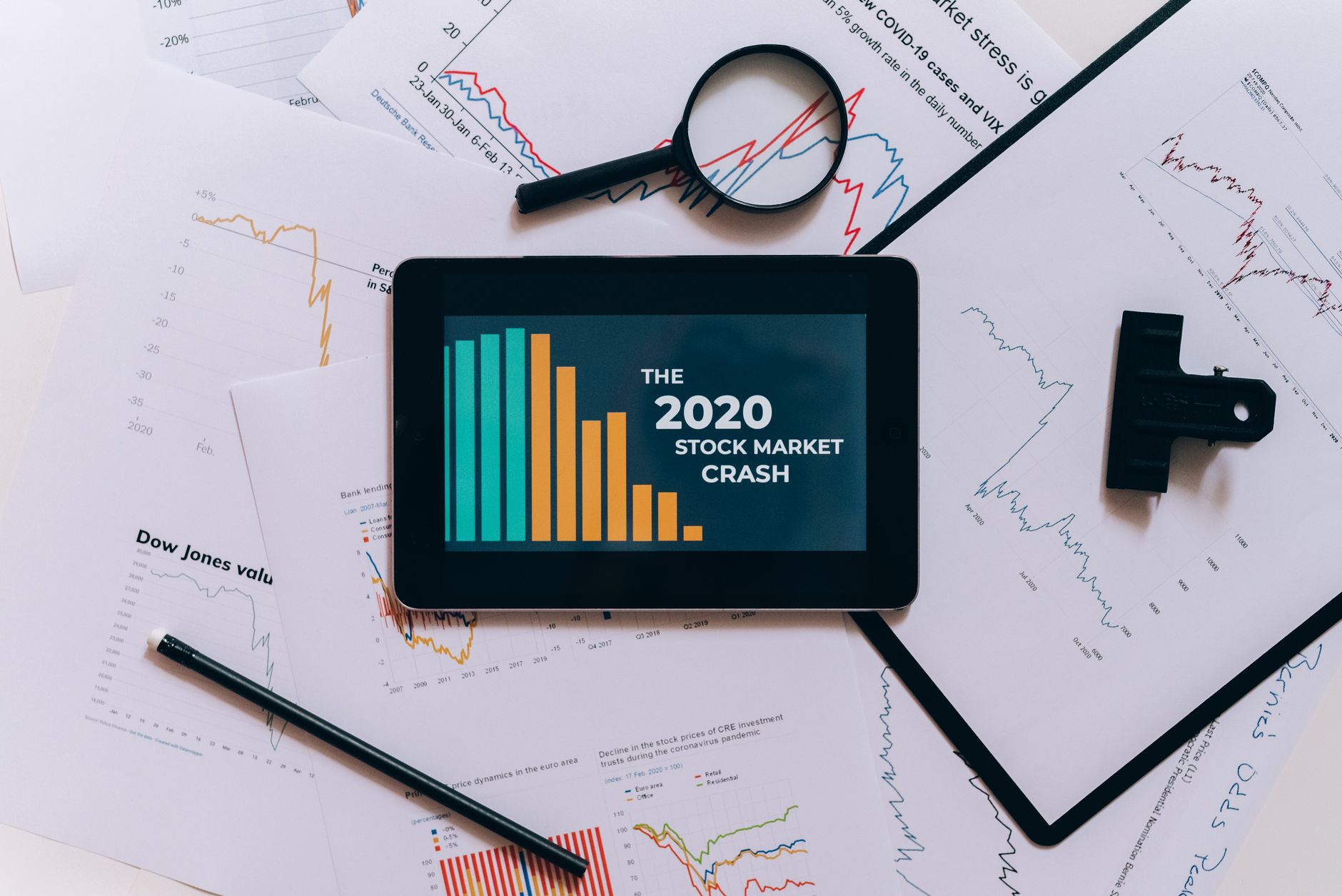
Stock Market Crash is dominating headlines as Nifty falls below 22,200, reaching its lowest point since April 2026. Investors are anxious as the market reacts to current economic conditions.
Current State of the Stock Market Crash
The stock market is currently experiencing a significant downturn, marking the worst decline since April 2026. This crash has sent shockwaves through the financial community, with many investors feeling the impact of the drastic losses. As of the latest updates, the Nifty index has fallen below 22,200, reaching its lowest level in several years.
Several factors have contributed to this alarming trend:
- Global Economic Concerns: Ongoing geopolitical tensions and inflationary pressures have raised fears about a prolonged economic slowdown.
- Interest Rate Hikes: Central banks around the world are tightening monetary policy, leading to decreased liquidity in the markets.
- Investor Sentiment: A wave of pessimism among investors has resulted in widespread sell-offs, further exacerbating the stock market crash.
As analysts monitor the situation closely, many are urging caution. They emphasize the importance of long-term strategies over short-term reactions to market volatility. Investors are advised to stay informed and consider their options carefully during this turbulent period.
Reasons Behind the Stock Market Crash
The recent stock market crash has left investors and analysts scrambling to understand the underlying causes of this significant decline. Several factors have contributed to the current turmoil, resulting in the worst market performance since April 2026.
One of the primary reasons behind the stock market crash is the escalating inflation rates. Rising costs have put pressure on consumer spending, leading to concerns about a potential economic slowdown. Additionally, central banks around the world have been tightening monetary policies to combat inflation, which has further fueled market volatility.
Another contributing factor is the geopolitical tensions that have heightened uncertainty in the financial markets. Ongoing conflicts and trade disputes have led to fluctuations in investor confidence, causing many to pull their investments in favor of safer assets.
Furthermore, earnings reports from major corporations have not met expectations, casting doubt on the overall health of the economy. This lack of positive corporate performance has exacerbated fears surrounding the stock market crash.
In summary, the combination of inflationary pressures, geopolitical uncertainties, and disappointing earnings reports has created a perfect storm, resulting in a significant downturn across various stock markets.
Impact of the Stock Market Crash on Investors
The recent stock market crash has left investors reeling as they grapple with the worst decline since April 2026. This unprecedented downturn has raised significant concerns about the stability of the financial markets and the future of investments.
Many investors are now facing substantial losses, leading to a wave of anxiety and uncertainty. The impact of the stock market crash is particularly felt among small investors, who often lack the resources to weather such volatility. Financial advisors are urging caution and a reassessment of investment strategies in light of these developments.
Key impacts on investors include:
- Loss of Wealth: Many individuals have seen their portfolios diminish significantly, affecting retirement plans and financial stability.
- Increased Volatility: The current climate has led to heightened market fluctuations, making it difficult to predict future performance.
- Shift in Investment Strategies: Investors are reevaluating their asset allocations, with some opting to move towards safer, more conservative investments.
As the stock market crash continues to unfold, experts suggest that maintaining a long-term perspective may be crucial for investors looking to recover from this financial setback.
Future Predictions Following the Stock Market Crash
As analysts assess the fallout from the recent stock market crash, predictions for the future are becoming increasingly critical. Experts believe that the current decline, marked as the worst since April 2026, may lead to several potential scenarios for investors and the overall economy.
- Market Recovery Timeline: Many analysts suggest that it could take several months for the stock market to stabilize. Some predict a slow recovery, as confidence among investors remains shaken.
- Sector Performance: Certain sectors may fare better than others in the aftermath of the crash. Technology and consumer discretionary are expected to rebound more quickly compared to others, like energy and real estate.
- Investor Sentiment: The stock market crash has led to increased volatility, affecting investor sentiment. Many individuals may adopt a more cautious approach, prioritizing safer investments over high-risk options.
- Potential Regulations: Policymakers may consider implementing new regulations to stabilize the market and prevent future crashes, drawing lessons from the current situation.
Overall, the future remains uncertain, with the potential for both recovery and further turbulence in the stock market.
Photo by Leeloo The First on Pexels