
 Fullerton
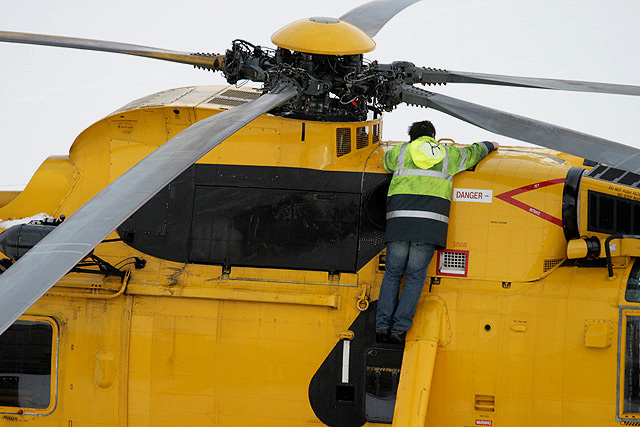
General Aviation Safety Technology is revolutionizing the way we approach flight safety. With new advancements and funding, the industry is poised for significant improvements.
Understanding General Aviation Safety
General aviation safety is a critical aspect of the aviation industry, focusing on improving flight safety through innovative technologies. Recent advancements in general aviation safety technology have emerged as essential tools for pilots and operators, enhancing situational awareness and reducing the risk of accidents.
Key components of these technologies include:
- Real-time weather monitoring: Utilizing satellite data to provide accurate weather updates during flights.
- Collision avoidance systems: Helping pilots detect and prevent potential mid-air collisions.
- Enhanced training programs: Incorporating simulation and virtual reality to improve pilot skills and decision-making.
Investments in these solutions, such as those made by Kunstig Aero, are paving the way for a safer flying environment, making general aviation safer for all involved.
The Role of Technology in Aviation
The aviation industry has seen significant advancements in safety technology, particularly in general aviation. These innovations are crucial for enhancing the safety of flights and ensuring that pilots can operate their aircraft with confidence.
One of the key roles of technology in aviation includes:
- Enhanced Navigation Systems: Modern GPS and avionics improve route accuracy and reduce the risk of human error.
- Real-Time Weather Updates: Advanced meteorological tools allow pilots to make informed decisions based on current weather conditions.
- Collision Avoidance Systems: Technologies designed to prevent mid-air collisions are now standard in many aircraft.
- Data Analysis Tools: These tools help identify potential safety risks through the analysis of flight data.
Embracing general aviation safety technology not only enhances operational efficiency but also fosters a culture of safety within the aviation community.
Funding Innovations in Aviation Safety
Recent developments in funding innovations are paving the way for advancements in general aviation safety technology. A notable example is Kunstig Aero, which successfully raised $270,000 from Althing Ventures. This funding will be directed towards enhancing the safety measures in general aviation, which has seen a growing interest from both investors and stakeholders.
Innovative funding approaches are crucial for the development of new safety technologies. These innovations aim to address existing challenges and improve overall flight safety. With the influx of capital, companies like Kunstig Aero are better positioned to create solutions that not only enhance safety protocols but also promote safer flight operations.
As the aviation industry continues to evolve, the integration of advanced technology will play a pivotal role in ensuring safer flights for everyone involved.
Kunstig Aero’s Vision for Safer Flights
Kunstig Aero is committed to pioneering advancements in General Aviation Safety Technology, aiming to revolutionize the way safety is approached in the aviation sector. With a fresh infusion of $270,000 from Althing Ventures, the company is poised to enhance its innovative solutions and make a significant impact on flight safety.
The vision includes:
- Developing cutting-edge safety tools that integrate real-time data analytics to predict and prevent potential hazards.
- Implementing user-friendly interfaces that allow pilots to easily access vital safety information.
- Collaborating with industry experts to ensure that their technology meets the evolving needs of general aviation.
Through these initiatives, Kunstig Aero aims to foster a culture of safety and reliability, ensuring that every flight is as safe as possible.
Althing Ventures Investment Insights
Althing Ventures has made a significant investment in the realm of General Aviation Safety Technology, committing $270,000 to Kunstig Aero. This funding aims to bolster the development of innovative safety solutions that promise to transform the aviation landscape.
The investment by Althing Ventures reflects a growing recognition of the critical need for enhanced safety measures in general aviation. By supporting startups like Kunstig Aero, the venture firm is helping to promote advancements that can lead to safer flight experiences.
Key insights from Althing Ventures highlight the potential of integrating cutting-edge technologies to mitigate risks associated with general aviation. Among the innovative solutions being explored are:
- Real-time data analytics to monitor flight safety
- Advanced training programs for pilots
- Enhanced communication systems for improved coordination
These initiatives are expected to play a pivotal role in advancing aviation safety standards.
Impact of Safety Technology on Pilots
The introduction of innovative General Aviation Safety Technology has significantly transformed how pilots operate and manage risks in the air. Enhanced systems provide real-time data and analytics, allowing pilots to make informed decisions that prioritize safety.
Key impacts of this technology on pilots include:
- Increased Situational Awareness: Advanced navigation and monitoring systems help pilots maintain awareness of their surroundings, reducing the likelihood of accidents.
- Improved Communication: Technologies that facilitate better communication between pilots and ground control enhance coordination and emergency response.
- Training Simulations: Virtual reality and simulation tools offer pilots realistic training experiences, preparing them for various in-flight scenarios.
These advancements not only boost confidence among pilots but also contribute to a culture of safety within the general aviation community, ensuring safer flights for everyone involved.
Future Trends in General Aviation
The future of General Aviation Safety Technology promises significant advancements aimed at enhancing flight safety. As the industry evolves, several trends are emerging that could shape the landscape of aviation safety.
- Integration of AI: Artificial intelligence is expected to play a crucial role in predictive analytics, helping to identify potential risks before they escalate.
- Enhanced Communication Systems: Improved communication tools will facilitate better coordination between pilots and air traffic control, reducing the chances of accidents.
- Wearable Safety Devices: Innovations in wearable technology will enable pilots to monitor their health and fatigue levels, ensuring they are fit for flight.
- Data-Driven Insights: The use of big data analytics will allow for more informed decision-making regarding safety protocols and training programs.
These trends highlight the commitment of the aviation community to continually improve General Aviation Safety Technology and ensure safer flights for all.
Case Studies of Successful Aviation Startups
Several aviation startups have successfully implemented innovative safety technologies, showcasing the potential of general aviation safety technology. These case studies highlight how small companies can make significant impacts on flight safety.
- SkyGuard: Developed a real-time weather monitoring system that allows pilots to make informed decisions during flights, reducing risks associated with adverse weather conditions.
- FlightSafe: Introduced an AI-driven platform that analyzes flight data to predict and prevent potential accidents, enhancing overall safety for general aviation.
- PilotAssist: Created a mobile app that provides instant access to safety protocols and emergency procedures, empowering pilots with critical information at their fingertips.
These startups exemplify how general aviation safety technology can transform the industry, fostering safer flight environments and inspiring further innovations.
By Walter Baxter via Openverse
References
Monomark Engineering IPO: The Best Proven Investment Opportunity · Breaking Fixed Deposit Rules: What You Need to Know · Piramal Pharma stock decline: 7% drop on 100 mn trades